
 EN
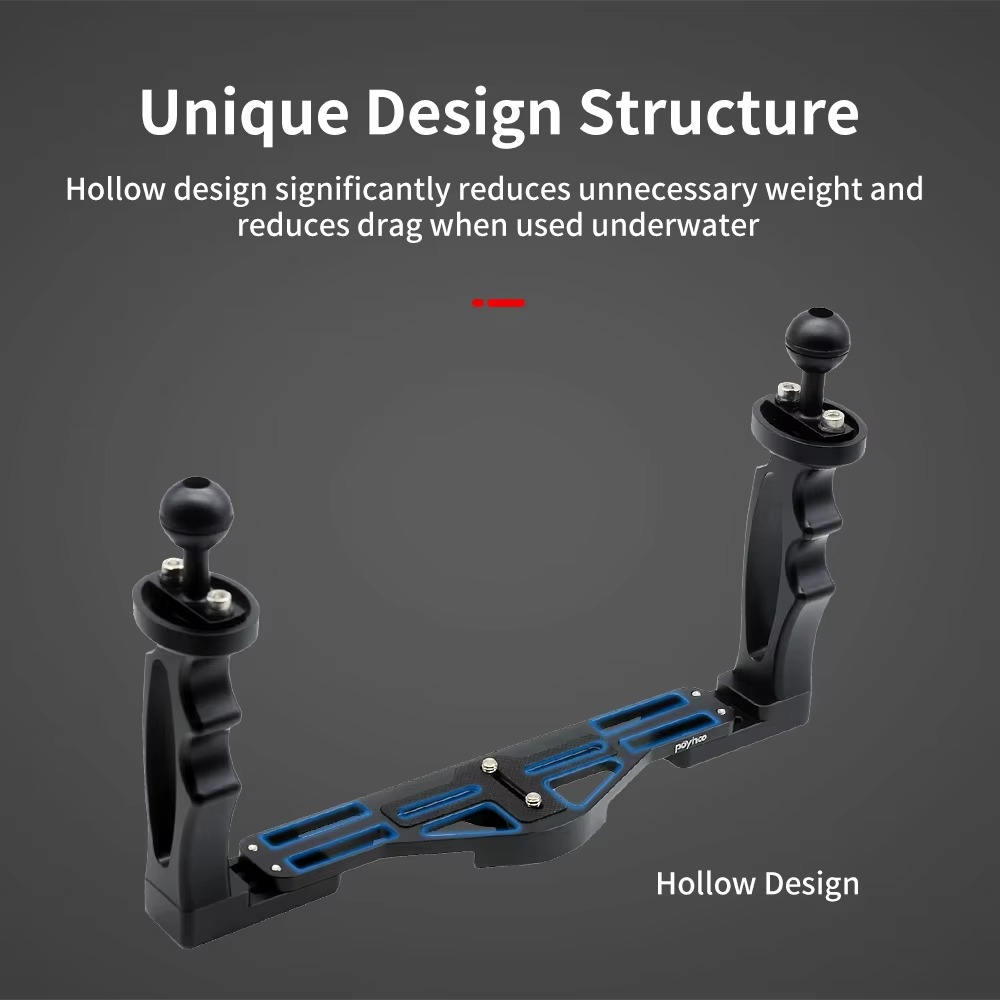
Underwater photography demands more than a waterproof camera. Proper camera handling determines whether your shots remain sharp, well-lit, and stable in challenging aquatic environments. The difference between blurry, unusable footage and professional-grade imagery often comes down to the right equipment supporting your camera system. Understanding which underwater photography accessories truly matter for camera handling helps you invest wisely and avoid purchasing redundant gear that clutters your rig.
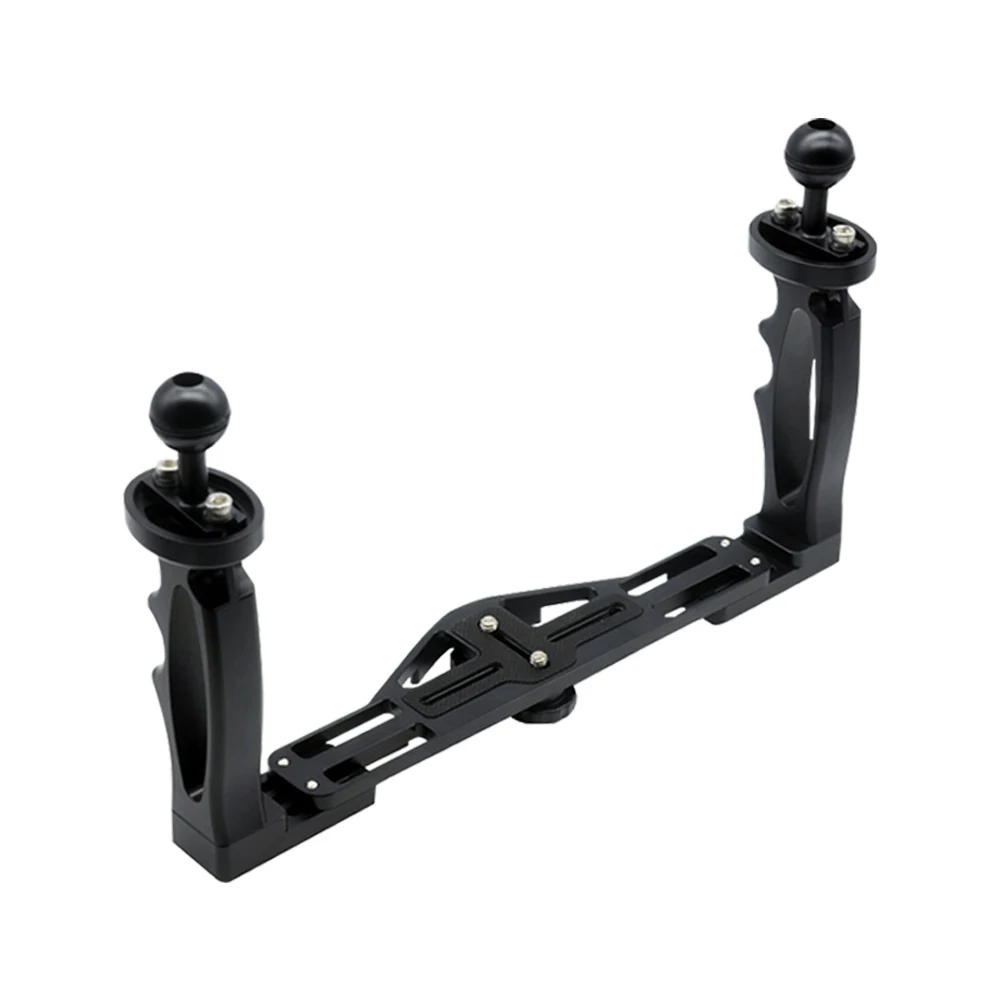
Successful underwater photographers recognize that camera stability, weight distribution, and balanced positioning directly impact image quality and shooting efficiency. A well-configured underwater accessories setup reduces fatigue, improves composition control, and allows you to focus on capturing moments rather than struggling with equipment. Whether you dive recreationally or professionally, selecting the right diving bracket and support system transforms your underwater photography experience from frustrating to fluid.
Core Camera Support and Stabilization
The Role of Diving Brackets in Camera Positioning
A diving bracket serves as the foundational support system for your underwater camera housing. This specialized mount connects your camera to your body, arms, or rig, distributing weight evenly and preventing the camera from drifting or rotating unexpectedly. Professional underwater photographers rely on rigid diving brackets because they eliminate micro-movements that compromise focus and framing. The bracket's design must accommodate your specific camera housing while maintaining neutral buoyancy in saltwater or freshwater environments.
Quality diving brackets incorporate reinforced aluminum or stainless steel construction to withstand corrosion and pressure changes at depth. They feature multiple mounting points that allow you to attach additional underwater accessories without creating weak stress points. When your diving bracket securely anchors your camera, you gain the confidence to shoot with both hands free, enabling more creative compositions and faster reaction times to fleeting underwater moments.
Expandable Rig Configuration for Flexibility
An expandable rig represents the next level of camera support, allowing you to add and remove components based on your specific dive mission. Unlike fixed brackets, expandable rigs accommodate various lighting arms, positioning adapters, and accessory mounts without requiring complete reconfiguration. This modular approach means your expandable rig grows with your skills and gear collection, reducing long-term equipment costs. Many underwater photographers start with a simple diving bracket and transition to expandable rigs as they add strobes, focus lights, and macro lenses.
The flexibility of an expandable rig also addresses buoyancy challenges that arise when adding multiple accessories. As you attach additional underwater accessories like focus lights or color correction filters, an expandable rig distributes weight and floatation throughout the system rather than concentrating it at one point. This balanced approach keeps your camera horizontally level and reduces the physical strain on your arms and shoulders during extended shooting sessions.
Lighting Equipment and Visual Enhancement
Positioning and Controlling Lighting Arms
Artificial lighting becomes essential underwater because water absorbs specific color wavelengths, making subjects appear blue or gray without supplemental illumination. A lighting arm extends your strobes or continuous lights away from the camera housing, eliminating shadows cast across your subject and providing directional light that reveals texture and color detail. Proper lighting arm positioning prevents backscatter, the white spots caused by light reflecting off particles between the camera and subject. Strategic placement of lighting arms at angles of thirty to forty-five degrees from the camera produces the most flattering and natural-looking illumination.
Underwater photographers must choose lighting arms that support the weight of their strobes while maintaining precise positioning during movement. Articulated lighting arms with ball joints allow fine-tuning of angle and distance, critical for achieving consistent exposure across different shooting scenarios. The attachment points on your lighting arm should connect securely to your expandable rig or diving bracket, preventing accidental separation at depth and maintaining the lighting geometry you carefully set during pre-dive preparation.
Balancing Strobes Within Your Rig System
Multiple strobes require careful integration into your underwater accessories setup to maintain camera control and maneuverability. Each strobe adds weight topside but provides buoyancy underwater, requiring exact positioning on your lighting arms to achieve neutral or slightly positive buoyancy. An unbalanced rig forces you to compensate with constant arm movement, leading to fatigue and inconsistent framing. Professional divers position strobes symmetrically on both sides of the camera to maintain horizontal balance and rotational stability.
The combined weight and flotation of your lighting arms and strobes directly affect how your diving bracket and expandable rig perform. Underwater photographers test their complete configuration in a pool before diving, making minor adjustments to arm length and strobe positioning until the system feels effortless to handle. This preparation phase separates novice divers struggling with uncontrolled equipment from experienced photographers executing complex shots with minimal physical effort.
Practical Considerations and Implementation Strategy
Assessing Your Specific Diving and Photography Goals
Your selection of underwater photography accessories should align with your primary shooting environment and subject matter. Macro photographers working in shallow reefs require different underwater accessories configurations than wide-angle shooters exploring deep wrecks or kelp forests. Consider whether you prioritize mobility and lightweight setups for long dives or prioritize lighting quality and sophisticated positioning for stationary subjects. Your underwater photography style directly determines which combination of lighting arms, diving brackets, and expandable rig components delivers the best return on your investment.
Environmental factors including water temperature, salinity, visibility, and maximum depth influence both material selection and system configuration. Cold freshwater environments require different seals and corrosion protection than tropical saltwater diving. Poor visibility necessitates more powerful strobes and tighter focus light positioning, while excellent visibility allows you to work with minimal artificial lighting. Evaluating these conditions before purchasing ensures your diving bracket and expandable rig suit your actual diving environment rather than a theoretical ideal.
Maintenance and Longevity of Your Rig System
Underwater photography accessories experience constant exposure to saltwater corrosion, pressure stress, and sand abrasion. A quality lighting arm manufactured from anodized aluminum resists corrosion far better than painted steel, maintaining smooth operation and secure connections throughout its service life. Regular rinsing with fresh water after each dive and annual professional inspection preserve the functionality of your diving bracket and expandable rig, preventing expensive failures at critical moments. Proper maintenance also ensures that connection points remain tight and arm positioning remains stable, directly supporting your underwater photography quality.
Investing in professional-grade underwater accessories rather than budget alternatives pays dividends through extended usability and reliable performance. A premium expandable rig manufactured with precision-machined components maintains exact positioning through hundreds of dives, while economical alternatives develop play and slippage that degrades your shooting consistency. Underwater photographers who dive regularly recognize that maintaining their lighting arms, diving bracket, and accessory mounts represents essential equipment care that preserves both functionality and their investment value.
FAQ
Why does underwater photography require specialized accessories for camera handling?
Water creates unique challenges including reduced visibility, color absorption, unstable floating dynamics, and the need for artificial illumination. Standard camera supports designed for air use fail underwater because buoyancy forces cause continuous unwanted movement, preventing stable framing and sharp focus. Specialized underwater photography accessories like diving brackets and expandable rigs account for water's physical properties, maintaining camera position and allowing hands-free operation that underwater photographers need for composition and lighting control.
What distinguishes a lighting arm from other underwater accessories?
A lighting arm specifically positions strobes or focus lights away from your camera housing to prevent backscatter and cast directional illumination across your subject. Unlike general mounting hardware, a lighting arm incorporates articulation joints and precise angle control that photographers adjust for different shooting scenarios. The mechanical design of quality lighting arms supports significant strobe weight while maintaining exact positioning, critical for consistent color rendering and shadow control in underwater photography applications.
How do I choose between a diving bracket and an expandable rig for my needs?
Start with a diving bracket if you shoot simple configurations with minimal additional accessories and prioritize lightweight, maneuverable equipment. Choose an expandable rig if you use multiple strobes, focus lights, color correction filters, or macro lenses and need flexible attachment points without complete disassembly. Many underwater photographers ultimately transition to expandable rigs as their skills advance and their equipment collections expand, making it a worthwhile long-term investment for serious divers.