
 EN
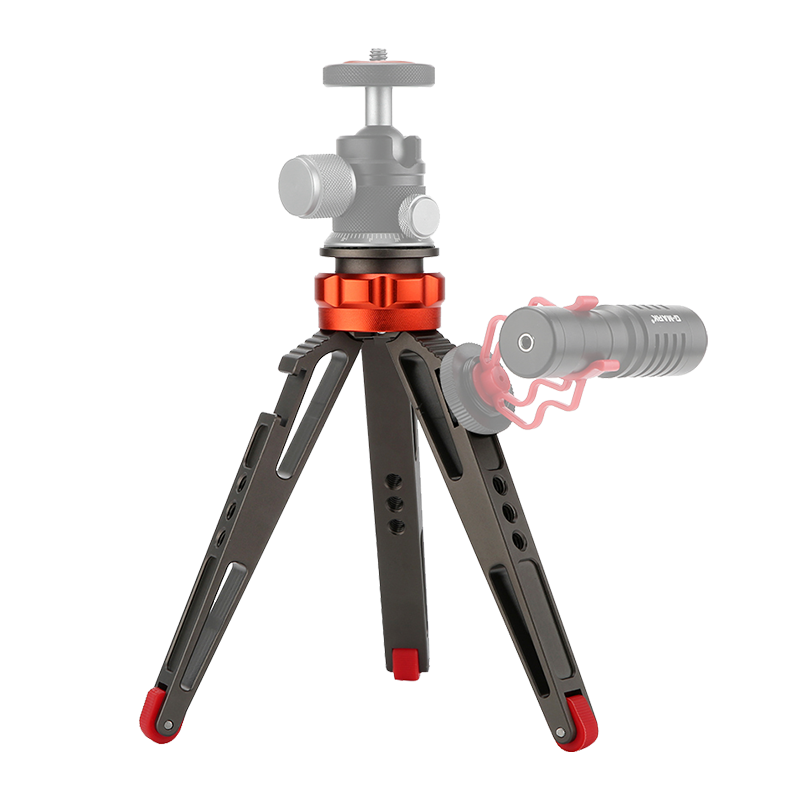
A quick release plate for tripod serves as the critical interface between your camera equipment and the tripod head, enabling fast mounting and dismounting while maintaining secure positioning. This component has evolved significantly as photographers and videographers demand lighter equipment, faster workflows, and more reliable connections. Understanding the materials and machining processes behind a quality quick release plate for tripod is essential for anyone investing in professional-grade support systems.
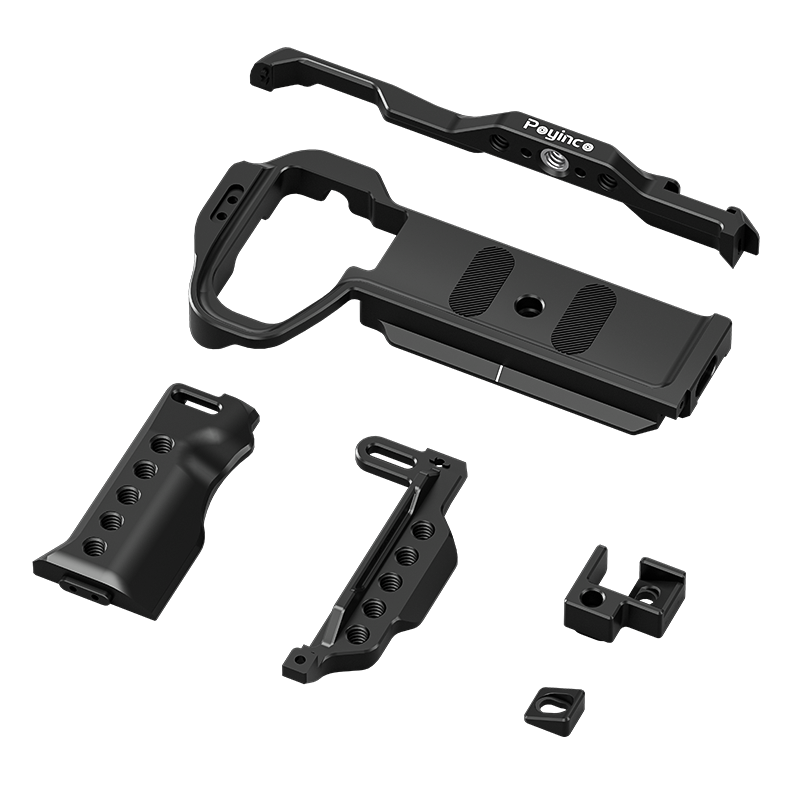
The success of your tripod system depends not only on the head and legs but equally on the quality of the plate connecting your camera to the apparatus. Material selection, precision machining, and proper fit determine whether your equipment remains stable during critical moments. This guide examines the key considerations for choosing a quick release plate for tripod that matches your specific needs, from material composition to manufacturing tolerances.
Material Selection for Tripod Plates
Aluminum and Alloy Composition
Aluminum remains the dominant material for modern CNC plate manufacturing due to its optimal balance of weight, strength, and machinability. Aircraft-grade aluminum alloys, typically 6061 or 7075, offer superior durability compared to standard aluminum, providing resistance to bending and deformation under sustained equipment weight. A quality CNC plate constructed from these alloys can handle professional camera bodies, lenses, and monitors without compromising stability or introducing micro-movements that degrade image quality.
The choice between different aluminum grades affects both performance and cost. Thicker aluminum sections provide greater rigidity, while precision machining ensures that each custom plate maintains dimensional accuracy across production runs. When evaluating options, consider the total weight of your camera setup and the environmental conditions where you'll operate. Heavier equipment or outdoor filming demands higher-grade materials that resist corrosion and fatigue.
Steel Reinforcement and Hybrid Designs
Some manufacturers incorporate steel inserts or reinforcement bands into aluminum plates to enhance clamping force and load capacity. These hybrid designs use CNC plate techniques to precisely machine steel components into aluminum bodies, creating superior grip surfaces and more reliable tripod adapter connections. The steel elements wear more slowly under repeated mounting cycles, extending the overall service life of your equipment.
Stainless steel components resist oxidation better than standard steel, making them ideal for long-term outdoor use. A well-engineered custom plate balances material properties strategically, using aluminum for weight savings and steel where wear and repeated stress occur. This approach maximizes durability without adding unnecessary bulk to your camera support system.
Precision Machining and Fit Tolerances
CNC Machining Standards and Accuracy
Modern CNC plate manufacturing requires precise tolerances to ensure consistent plate fit across different tripod models and manufacturers. Typical tolerances range from 0.1 to 0.5 millimeters, tight enough to prevent wobbling but loose enough to allow smooth insertion and removal. When a custom plate deviates from these specifications, it can create misalignment, uneven weight distribution, or difficulty with tripod adapter connections that compromise image stability.
Computer numerical control machining produces repeatability that hand-fabrication cannot match. Each CNC plate emerges from production with nearly identical dimensions, ensuring that a plate fit works reliably across all your equipment. This consistency becomes critical when you alternate between multiple tripod heads or cameras, as incompatible tolerances can waste time on set and introduce frustration into your workflow.
Friction Surface Design
The bottom surface of a quick release plate for tripod requires careful texturing to maximize grip without damaging the tripod head. CNC machining allows manufacturers to create cross-hatched patterns, precision grooves, or textured finishes that increase friction coefficient while maintaining even contact across the entire surface. A poor friction surface leads to slipping during pans, tilts, or extended holds, creating safety concerns and unusable footage.
The top surface, where your camera mounts, equally demands precision. Threading accuracy for camera screws, precise registration points for plate fit guides, and smooth finish quality all emerge from expert CNC plate programming and execution. These design elements determine whether your camera sits level and secure or develops micro-vibrations that accumulate through your shooting session.
Design Factors and Compatibility Considerations
Universal vs. Custom Plate Solutions
A custom plate engineered for your specific tripod head and camera combination offers superior performance compared to generic solutions. While universal quick release plates attempt to work across many tripod adapter systems, they often compromise on precise plate fit and load-bearing optimization. Manufacturers can design a custom plate that maximizes clamping force, minimizes profile height, and optimizes weight distribution for your exact equipment configuration.
Universal designs serve photographers who frequently change equipment or use multiple tripod systems. However, precision-matched CNC plate designs eliminate play and maximize stability for professionals with consistent setups. Evaluate whether your workflow benefits from universal compatibility or whether a purpose-built custom plate better serves your production requirements and equipment investment.
Load Capacity and Stress Distribution
The geometry of a well-designed quick release plate for tripod distributes forces evenly across the mounting surface, preventing point loads that stress the tripod head mechanism. CNC machining enables engineers to calculate optimal thickness, reinforcement rib placement, and clamping surface area for specific weight categories. A plate designed for mirrorless cameras differs significantly from one engineered for cinema-grade camera bodies with numerous accessories.
Stress concentration points, typically at quick-release lever attachment areas, require extra attention during CNC plate design. Proper filleting, material gradation, and reinforcement ensure that these high-stress zones resist fatigue cracking over thousands of mounting cycles. Manufacturers who invest in detailed finite element analysis and prototype testing deliver plates that remain reliable throughout their operational lifetime.
FAQ
What material makes the best quick release plate for tripod?
Aerospace-grade aluminum alloys, particularly 6061 and 7075, provide the optimal combination of lightweight properties and durability for most professional applications. When additional strength is needed, manufacturers use CNC plate techniques to integrate steel inserts at high-stress points, creating hybrid designs that maximize performance. Your choice depends on the weight of your camera setup and the environmental conditions where you work.
How do I ensure proper plate fit with my tripod head?
Precision CNC plate manufacturing produces tight tolerances that ensure consistent compatibility within product families and with universal tripod adapter standards. Before purchasing a custom plate, verify the specific tripod head model and confirm that the dimensions match published specifications. Many manufacturers provide detailed compatibility charts, and testing the plate fit with your equipment before critical production ensures reliability on set.
Should I invest in a custom plate or use a universal solution?
A custom plate delivers superior performance, improved plate fit, and optimized weight distribution for your specific camera and tripod combination, making it ideal for professionals with consistent setups. Universal solutions offer flexibility when you frequently change equipment or use multiple tripod systems. Consider your workflow stability, equipment investment, and whether the performance improvements justify the custom plate cost for your particular shooting needs.