
 EN
Building a modular diving rig for underwater photography requires careful selection of accessories that work together seamlessly. A well-designed diving rig combines multiple specialized components that allow photographers to capture stunning images while maintaining stability and control underwater. Whether you are a recreational diver exploring coral reefs or a professional documenting marine life, understanding which underwater photography accessories belong in your modular system is essential for success.
A modular diving rig offers flexibility and adaptability that fixed camera housings cannot match. By assembling a custom configuration of interconnected components, underwater photographers can adjust their setup for different dive conditions, subject matter, and shooting preferences. The foundation of any effective diving rig lies in selecting quality components that integrate smoothly and provide the stability needed for sharp, professional-quality underwater photography.
Core Components of a Professional Diving Rig
Understanding the Diving Rig Foundation
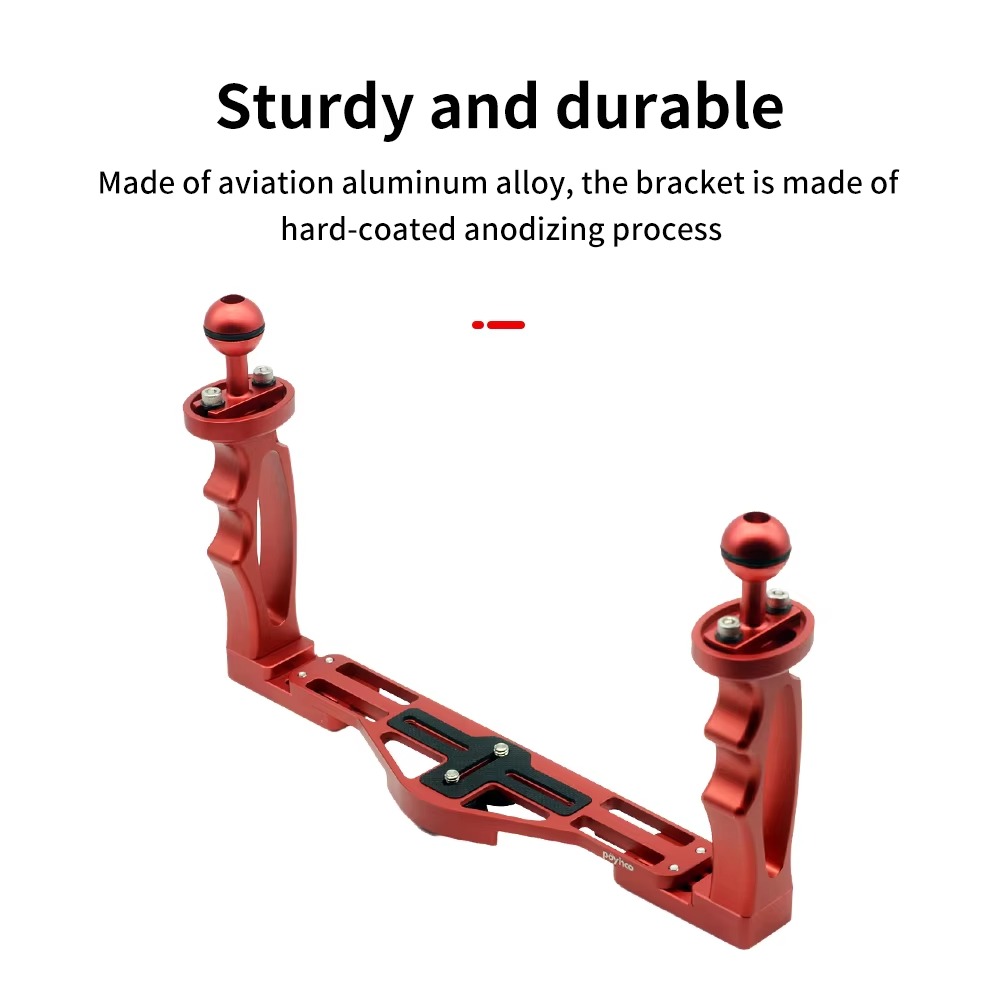
A diving rig serves as the structural backbone for mounting your camera, lenses, lights, and other accessories underwater. The primary purpose of a diving rig is to hold your equipment securely while allowing precise positioning and movement. Quality materials like anodized aluminum resist corrosion and maintain structural integrity in saltwater environments. Your diving rig must support the combined weight of your camera housing, additional optics, and lighting rigs without flexing or shifting during use. Professional diving rigs feature multiple attachment points, allowing photographers to customize their configuration based on specific mission requirements.
Selecting the Right Underwater Tray System
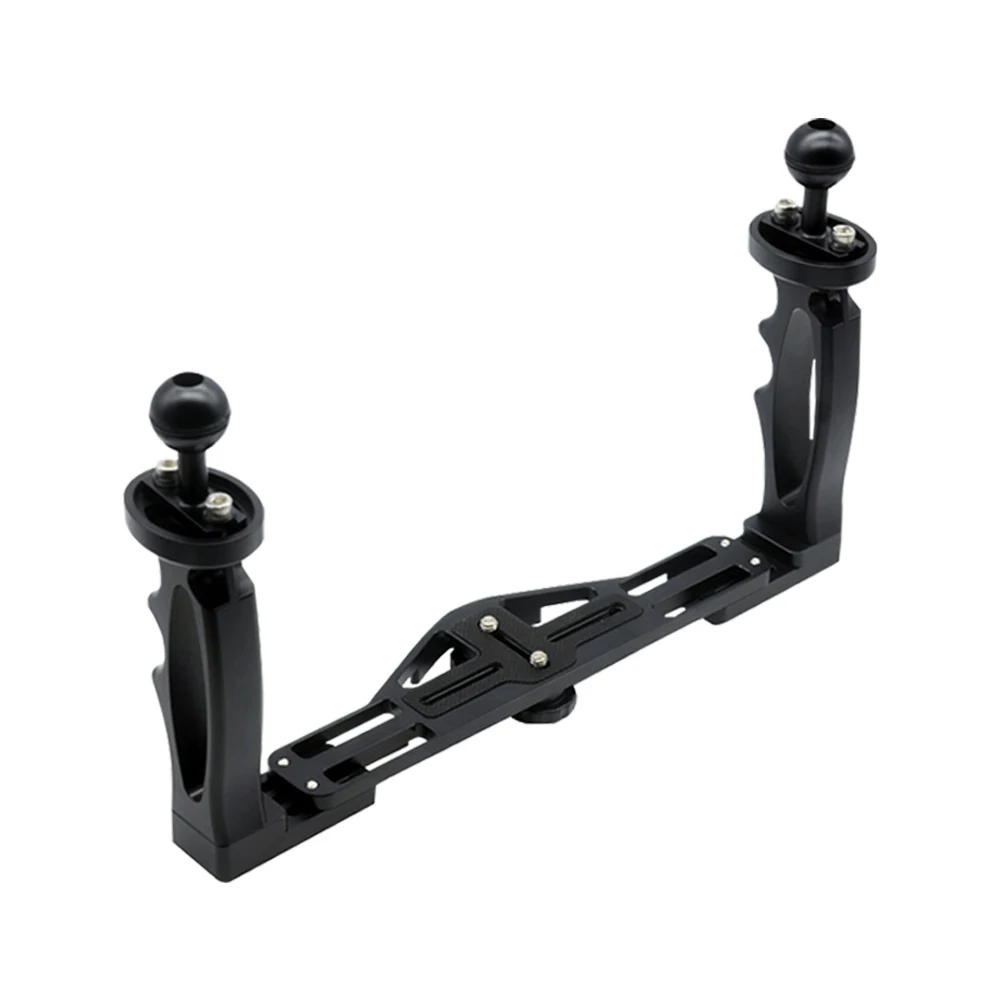
An underwater tray forms the horizontal platform of your diving rig, extending forward from the camera housing to support additional lighting and lens configurations. The underwater tray distributes weight evenly and provides stable mounting surfaces for strobes, focus lights, and macro dome ports. Quality underwater tray designs incorporate smooth, hydrodynamic shapes that minimize drag and maintain balance during underwater movement. Stainless steel or aluminum construction ensures durability, while dual-handle grips provide ergonomic control. When selecting an underwater tray, consider the total load capacity and ensure it accommodates your planned accessories without compromising maneuverability.
Essential Accessories for Stabilization and Control
Ball Clamp Technology in Modern Diving Rigs
Ball clamps represent one of the most versatile connection components in any diving rig system. These mechanical connectors use threaded ball mounts to attach arms, trays, and accessories at virtually any angle, enabling photographers to position equipment precisely for different shooting angles. A ball clamp's spherical joint allows 360-degree rotation, making it invaluable for macro underwater photography and wide-angle compositions. Quality ball clamps feature secure locking mechanisms that prevent accidental rotation during critical shots. Investing in stainless steel ball clamps ensures they withstand repeated use and harsh saltwater conditions without degradation.
Camera Stabilizer and Arm Systems
A robust camera stabilizer component keeps your camera housing perfectly positioned and prevents unwanted movement during shooting. Articulated arms within your diving rig allow you to adjust the camera's angle for different perspectives without repositioning your entire body. These arms feature smooth articulation that responds to your input without being overly loose or stiff. The stabilizer must absorb vibration from the diving rig and maintain alignment even when you swim through current or adjust your buoyancy. Modern systems incorporate quick-release mechanisms, allowing photographers to swap cameras or reposition components quickly between dives.
Advanced Integration and Accessory Compatibility
Building a Cohesive System
A modular diving rig's true power emerges when all components work as an integrated system. Standard connection interfaces like ball mounts and threaded rods enable compatibility across different brands and component types. Plan your configuration before entering the water, ensuring that all arms, clamps, and accessories connect securely without extending beyond your control envelope. The diving rig should feel balanced in your hands, with weight distributed evenly to prevent fatigue during extended dives. Test your complete setup in shallow water before committing to deep-water photography missions.
Mounting Auxiliary Lighting and Sensors
Beyond the camera housing, your underwater tray and diving rig structure must accommodate focus lights, strobes, and color-correction filters. Secondary arms branching from the primary tray extend these lighting elements to the sides of your camera lens, eliminating shadows and revealing true color at depth. Properly positioned lighting transforms underwater photography by illuminating subjects clearly while reducing backscatter from suspended particles. A camera stabilizer that maintains consistent lighting geometry ensures repeatable, professional results across multiple shots. Quality interconnecting hardware between your tray, ball clamp joints, and lighting rigs ensures reliability under demanding dive conditions.
FAQ
What size underwater tray should I choose for my diving rig?
Choose an underwater tray that matches your camera housing width, typically ranging from 6 to 12 inches, with length determined by how many auxiliary lights and arms you plan to mount. A larger tray supports heavier loads and provides more stability, but increases drag and reduces maneuverability in tight reef environments. Consider your primary diving conditions when selecting tray size, balancing control and load capacity. Most recreational photographers find mid-sized trays ranging from 8 to 10 inches provide optimal versatility for various underwater photography scenarios.
How do ball clamp connections improve a diving rig's flexibility?
Ball clamps enable 360-degree positioning of arms, ports, and lights, allowing you to adjust your diving rig configuration without replacing components. Unlike fixed connections, ball clamps accommodate both macro and wide-angle shooting styles through the same physical assembly. Quick-release ball clamp systems let you swap accessories between dives without completely disassembling your rig. This flexibility transforms a single diving rig into multiple specialized configurations, making your investment in quality clamps worthwhile for serious underwater photographers.
Can I use aftermarket components in my modular diving rig?
Yes, most modular diving rigs use industry-standard connection interfaces like threaded ball mounts and tapped aluminum rails that accept components from various manufacturers. Verify that aftermarket accessories match your rig's specifications and material compatibility before purchase. Stainless steel components generally work better with anodized aluminum rigs than alternative materials. Always test new additions in shallow water to ensure proper fit, secure mounting, and that your underwater tray and diving rig remain balanced and stable.