
 EN
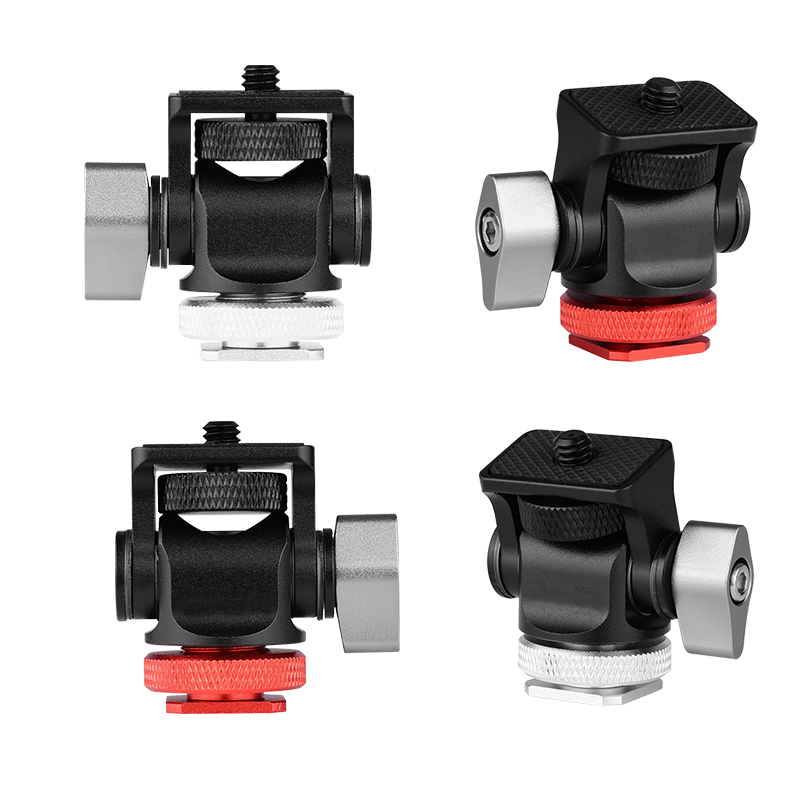
Selecting the right quick release plate for tripod compatibility is essential for photographers and videographers who demand stability and efficiency. Your camera setup is only as reliable as its foundation, and the connection between your camera and tripod plays a critical role in overall performance. A poor choice in this component can lead to equipment damage, missed shots, and frustrating workflow interruptions. Understanding the mechanics and standards behind tripod adapter selection ensures you invest in equipment that truly meets your needs.
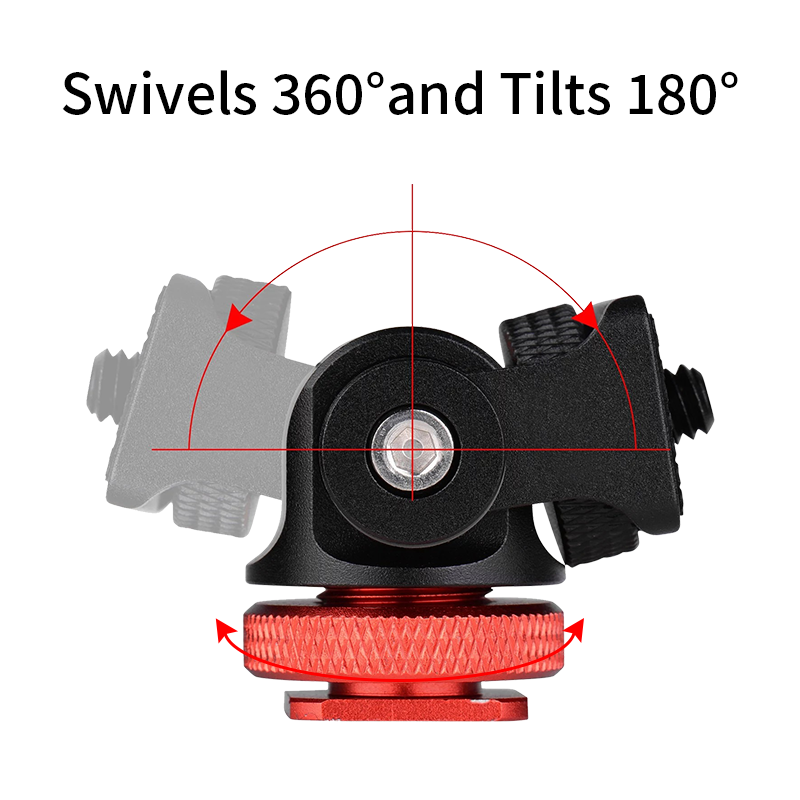
The market offers numerous options for camera plates and rig plate systems, each designed to address different use cases and shooting environments. Whether you work in professional broadcast, studio photography, or outdoor fieldwork, the correct tripod adapter makes a measurable difference in both image quality and operational speed. This guide walks you through the critical factors that determine compatibility, security, and long-term reliability when choosing your mounting solution.
Understanding Quick Release Plate Standards
Primary Mounting Standards Explained
The camera plate market is dominated by two major standards: Arca-Swiss and Manfrotto. The Arca-Swiss standard features a dovetail connection that locks laterally, while the Manfrotto system uses a bottom-mounted 3/8-inch screw with a lever clamp. When selecting a tripod adapter, you must first identify which standard your tripod head accepts. Many professional rigs accept both standards through conversion plates, but direct compatibility eliminates unnecessary adapters that introduce potential alignment issues. Your choice of standard fundamentally affects which locking mechanism you can use and how secure your setup becomes during demanding shoots.
Material Composition and Durability
Quick release plate materials range from aluminum alloy to magnesium and steel reinforcements. Aluminum alloy camera plates offer excellent weight-to-strength ratio, making them ideal for portable setups and location work. Heavy-duty rig plate options featuring magnesium cores or steel inserts provide superior rigidity for larger cinema cameras or extended telephoto lens systems. The locking mechanism performance depends partly on material hardness and surface treatment. Anodized aluminum resists corrosion better than raw metal, protecting both your camera plate and tripod adapter from environmental degradation during outdoor operations.
Evaluating Locking Mechanisms and Safety
Clamping Force and Hold Integrity
The locking mechanism is where functional design directly impacts safety and peace of mind. Arca-Swiss style clamps employ either screw-based or lever-based locking, with each approach presenting trade-offs. Screw-tightening systems provide high clamping force but require more time to mount and remove your camera. Lever-operated locking mechanisms offer faster engagement while maintaining secure holds when properly engineered. Test the clamping force of any quick release plate by applying downward pressure on your mounted camera; there should be zero play or movement along the dovetail. A quality tripod adapter maintains consistent clamping pressure throughout its service life without developing looseness over time.
Anti-Rotation Features and Precision Alignment
Premium rig plate designs include anti-rotation pins or detents that prevent unintended camera rotation around the mounting axis. This feature proves invaluable when framing precise compositions or managing continuous video pans. Some camera plate models incorporate precision dowel pins that align perfectly with your specific camera body's mounting hole pattern, eliminating misalignment concerns. The tripod adapter you choose should position your camera's optical center directly above the tripod's rotation axis, preventing moment-inducing stress on the clamp and ensuring smooth pans in video work.
Compatibility and Integration Considerations
Tripod Head Socket Standards
Different tripod heads accept different mounting interfaces, and your locking mechanism must match this design precisely. Ball heads, fluid heads, geared heads, and pan-tilt heads each present unique mounting requirements. Before purchasing a quick release plate, verify your specific tripod head's socket specifications by reviewing the manufacturer documentation or testing in-store if possible. The mismatch between a camera plate and tripod adapter socket results in instability or complete incompatibility, making this verification step non-negotiable in your selection process.
Load Capacity and System Harmony
Each quick release plate carries a specified maximum load rating, typically ranging from 4 to 15 kilograms for professional options. Your total camera system weight—including body, lenses, audio equipment, and accessories—must remain comfortably below this maximum. Exceeding load ratings degrades the locking mechanism over time and creates safety risks during extended shoots. Consider not just current equipment weight but future expansion plans, as professional rigs evolve with new lens acquisitions and modular attachments. A rig plate with surplus capacity headroom ensures consistent performance as your gear collection grows.
Practical Selection Workflow
Assessing Your Specific Use Case
Studio photographers often prioritize quick-change speed and aesthetic minimalism, favoring compact camera plate designs. Documentary and outdoor videographers emphasize weather resistance and reliable locking mechanisms to handle challenging field conditions. Broadcast professionals require standardized interfaces that integrate seamlessly with existing equipment and follow established industry protocols. Define your primary use case first, then filter quick release plate options by the features most relevant to that context. A camera plate perfectly suited for studio work may prove inadequate for backcountry filming or long-duration outdoor broadcasts.
Testing and Validation Steps
Before committing to a purchase, mount your camera on the prospective tripod adapter and perform stability tests. Gently apply lateral pressure to the camera body while observing whether the quick release plate demonstrates any movement or flex. Execute smooth panning motions to confirm the locking mechanism maintains absolute rigidity. Check whether the camera plate interferes with battery compartments, memory card access, or other operational elements on your specific camera body. These hands-on assessments reveal compatibility issues and mechanical adequacy that specifications alone cannot convey.
FAQ
What happens if my quick release plate size doesn't match my camera's mounting interface?
Mismatched sizes create unstable mounting and excessive stress on the locking mechanism. Most cameras accept either 1/4-inch or 3/8-inch tripod screws, so verify your camera's specification before purchasing a camera plate. Using an incorrect rig plate risks damaging your camera's threaded socket or compromising safety during operation. Always match the tripod adapter screw size precisely to your equipment.
Can I use the same quick release plate with multiple camera bodies?
Yes, but with important caveats regarding load capacity and alignment precision. A universal camera plate designed for standard 1/4-inch mounts works across most DSLR and mirrorless bodies. However, different camera body shapes may cause slight alignment shifts on the rig plate surface. For mission-critical work requiring absolute consistency, many professionals maintain dedicated quick release plates for each camera body, ensuring perfect calibration and eliminating repositioning variables.
How often should I inspect or replace my tripod adapter for maintenance?
Inspect your quick release plate regularly for signs of wear, corrosion, or mechanical degradation in the locking mechanism. Professional users working in harsh environments perform monthly checks, while studio photographers may inspect quarterly. Replace the camera plate if you notice any play in the clamp, difficulty tightening the mechanism, or surface corrosion that compromises the interface. Regular inspection prevents catastrophic failure and extends the lifespan of your entire rig plate system.