
 EN
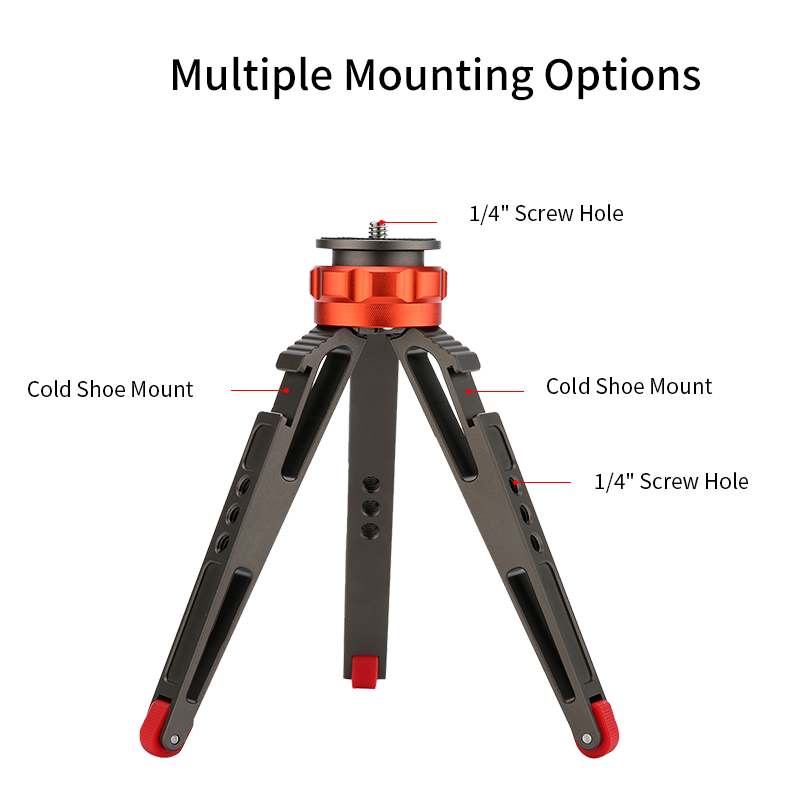
Matching the correct quick release plate for tripod systems with your camera rig plates requires understanding mechanical standards, load ratings, and compatibility benchmarks. Professional camera operators and production crews rely on quick swap mechanisms to transition between different rig configurations without compromising stability or time efficiency. The intersection of tripod mounting standards and multi-camera workflows demands precise matching of interface designs, screw specifications, and load-bearing capacities.
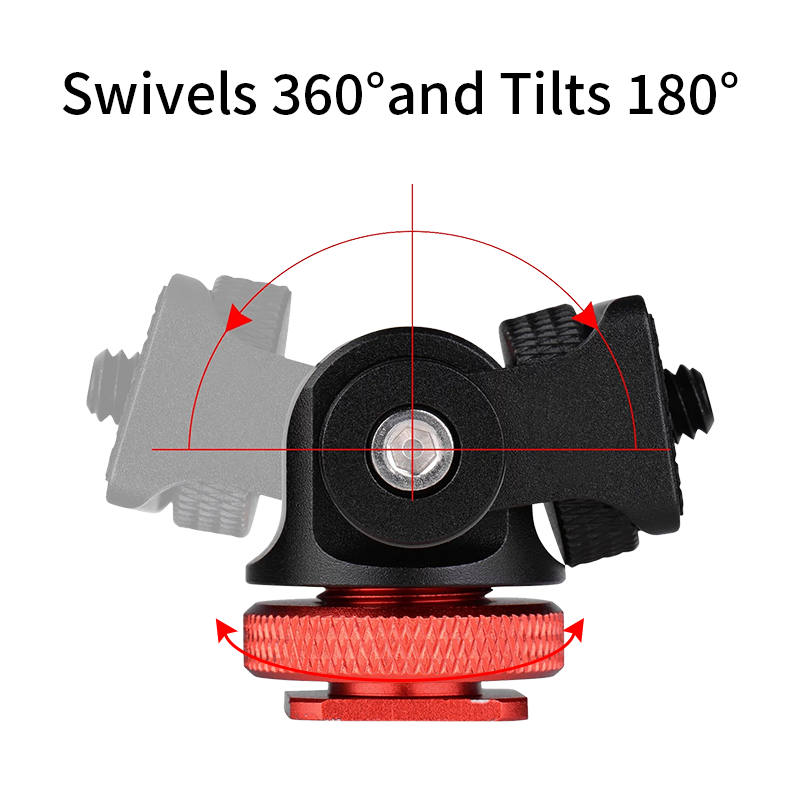
Understanding how to select and match the right quick release plate system ensures seamless integration across your equipment ecosystem. Whether you operate a single-camera setup or manage multi-camera production environments, the rig plate you choose directly impacts operational flexibility, safety, and equipment longevity. This guide walks through the essential matching criteria, compatibility assessment methods, and practical installation considerations.
Understanding Quick Release Plate Compatibility Standards
Tripod Mounting Interface Types
Tripod mounting standards vary across manufacturers and equipment categories. The most common interfaces include Arca-Swiss style quick swap connectors and proprietary ball-head systems. Arca-Swiss plates feature a standardized dovetail profile that allows consistent quick release functionality across different brands, making them the industry preference for professional rig plate configurations. Before matching your quick release plate for tripod use, verify whether your existing tripod head supports dovetail, ball-and-socket, or proprietary connection methods. Load capacity specifications are critical because exceeding rated weight limits compromises both the quick swap mechanism and your camera stability.
Multi-Camera Rig Plate Considerations
Multi-camera setups demand uniform rig plate specifications to ensure identical quick swap behavior across all camera positions. When integrating multiple cameras on a single tripod mounting structure, each rig plate must possess matching clamp pressure, friction characteristics, and quick release mechanisms. Mismatched quick swap plates introduce inconsistent tension, which causes some cameras to shift during operation while others remain static. This operational inconsistency creates safety hazards and compromises footage quality. Select rig plates from the same product line or certified compatible manufacturers to maintain uniform performance across your multi-camera array.
Measuring and Assessing Plate Compatibility
Verifying Dovetail Dimensions and Clamp Pressure
The physical dovetail profile must match precisely between your quick release plate for tripod and your tripod mounting hardware. Arca-Swiss compatible plates follow standardized dimensions, but slight manufacturing variations exist across brands. Measure the dovetail width, height, and profile angle using calipers if you have precision tools available. The clamp pressure must be firm enough to prevent shifting under camera weight but loose enough that quick swap removal requires reasonable manual force. Test the connection by attaching your camera to the plate and rig plate assembly, then gently attempting to rotate the camera while clamped. Minimal rotational movement indicates proper clamping tension and successful compatibility matching.
Load Rating Alignment for Rig Plate Stability
Every tripod mounting system and quick swap plate carries a maximum load rating specified in pounds or kilograms. Your total camera weight including lenses, monitors, and accessories must remain below the lowest load rating in your mounting chain. If your quick release plate for tripod supports 20 pounds but your rig plate assembly supports only 15 pounds, your effective capacity is 15 pounds. Multi-camera configurations multiply this risk because weight distribution across multiple mounting points concentrates stress on individual tripod legs. Calculate total weight including all attached hardware, then select quick swap components rated at least 25 percent above your calculated load to provide safety margin.
Integration and Installation for Multi-Camera Workflows
Matching Screw Specifications and Attachment Points
Quick release plates attach to cameras using quarter-inch screws or half-inch screws depending on the rig plate design. Your camera baseplate must have compatible threaded inserts or mounting lugs to accept the appropriate screw size. Verify that all quick swap plates in your multi-camera array use identical screw dimensions to maintain operational consistency. Mismatched screw sizes force you to carry multiple tools and increase setup time on location. Additionally, confirm that the tripod mounting head features the correct female dovetail or ball-socket connection that matches your selected quick release plate for tripod system.
Testing Stability and Quick Swap Function
After assembling your rig plate configuration, test the quick swap mechanism under realistic working conditions. Install the camera, level the tripod, and apply gentle pressure from different angles to verify that the connection remains secure. Perform the quick swap release procedure repeatedly to ensure smooth engagement and disengagement. Any grinding sounds, binding resistance, or uneven clamping pressure indicates compatibility issues that require plate or head replacement before production use. With multi-camera setups, test each camera position individually, then test with all cameras mounted simultaneously to identify stress concentration points or differential stability problems that only manifest under full configuration load.
FAQ
What rig plate specifications matter most when matching with a quick release plate for tripod?
The most critical specifications include dovetail profile compatibility, load rating alignment, clamp pressure consistency, and screw size matching. Ensure your quick release plate for tripod and rig plate share identical dovetail dimensions and that the combined load rating exceeds your equipment weight. Verify that clamp pressure remains uniform across the connection, and confirm screw compatibility to avoid setup delays.
How do I ensure compatibility when using multiple rig plates with quick swap systems?
Purchase all rig plates from the same product line or certified compatible manufacturers to maintain uniform quick swap behavior. Multi-camera setups require identical clamp pressure, friction characteristics, and release mechanisms across all positions. Test each camera position individually and under full configuration load to identify any stability inconsistencies before production use.
Can I mix different brands of quick release plate for tripod with my rig plate assembly?
Mixing brands is generally possible if they follow Arca-Swiss standards, but compatibility testing is mandatory. Verify that dovetail profiles match precisely, load ratings align appropriately, and clamp pressure remains consistent. Minor manufacturing variations between brands can create unexpected binding or loose connections, so always test the combination under your actual camera weight before critical production work.