
 EN
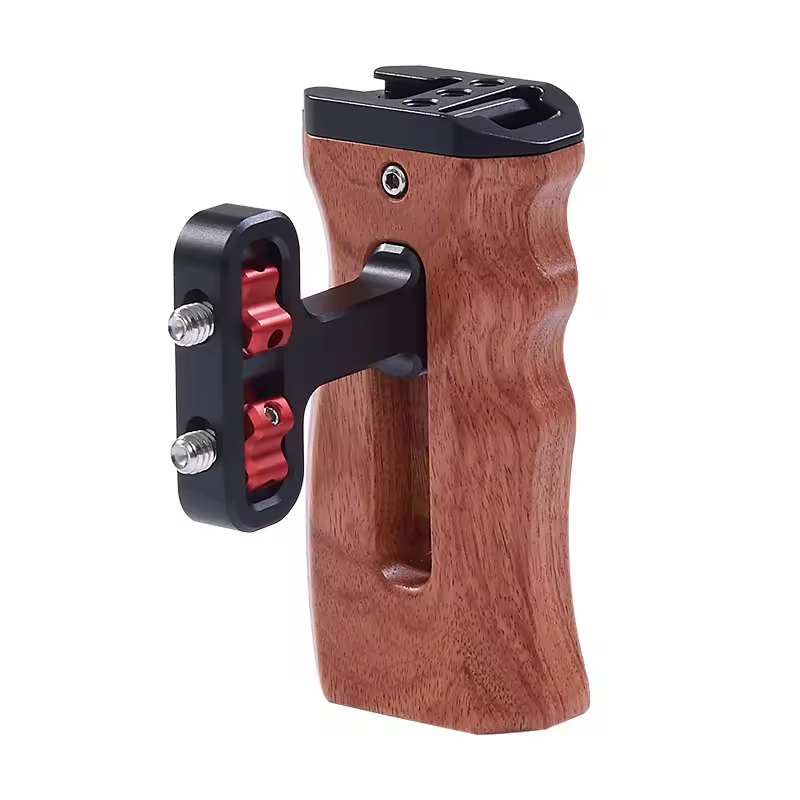
Selecting the right camera grip material directly impacts your production workflow, operator comfort, and equipment durability on set. Professional cinematographers and camera operators know that grip materials influence not only ergonomics but also the stability, weight distribution, and longevity of handheld rigs used in demanding environments. Whether you are shooting narrative films, documentaries, or broadcast content, the material composition of your grip determines how well you can execute smooth handheld shots, reduce operator fatigue during long shooting days, and maintain consistent image quality throughout your project.
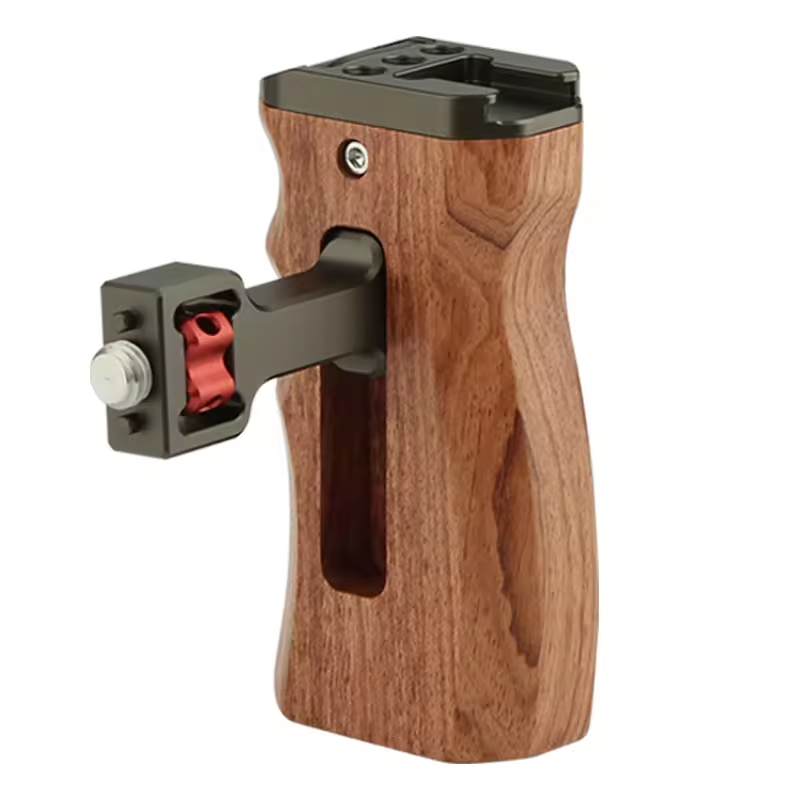
Understanding the nuances between different grip materials is essential for making an informed purchasing decision that aligns with your specific production needs. Each material type—whether wood, aluminum alloy, rubber, or composite—brings distinct advantages and limitations to handheld rig setups. This guide walks you through the key factors to evaluate when comparing grip materials, helping you identify which options best suit your shooting style, budget, and equipment configuration.
Understanding Core Grip Material Types
Aluminum Alloy Grip Properties
Aluminum alloy remains one of the most popular grip materials for professional camera rigs because it balances weight, strength, and cost-effectiveness. Aluminum grip materials offer lightweight construction, which reduces operator fatigue during extended handheld shooting sessions. The material naturally resists corrosion when properly treated, making it suitable for outdoor productions and challenging environments. Aluminum also provides excellent thermal properties, staying cooler in direct sunlight compared to other materials, which improves comfort during long takes.
When evaluating aluminum grip options, examine the alloy composition and manufacturing process. Higher-grade aluminum alloys deliver superior durability and resistance to denting or deformation. The surface finish matters significantly—anodized or powder-coated aluminum grips offer better wear resistance and grip texture. Custom grip manufacturers often reinforce aluminum handles with knurled textures or textured finishes to prevent slipping even when operators wear gloves or work in wet conditions.
Wood and Composite Grip Materials
Wood and composite materials provide warmer, more tactile grip surfaces that many operators prefer for their natural feel and aesthetic appeal. High-quality hardwoods like walnut or birch offer excellent grip security because they provide natural friction without requiring special surface treatments. Wood grips absorb perspiration better than metal alternatives, making them particularly comfortable during long shooting days in warm climates. Composite materials blend wood fibers with polymers to create hybrid grips that combine the comfort of wood with enhanced durability and weather resistance.
Custom grip designs often incorporate wood or composite materials when operators seek personalized solutions for specific handheld rig configurations. These materials work exceptionally well for mounting points on cage rigs where vibration absorption is important. Wood-based grips naturally dampen vibration transfer from the camera body to the operator's hands, reducing fatigue and improving shot stability. The downside is that wood requires more maintenance and may require periodic sealing or conditioning to prevent cracking or warping over time.
Evaluating Mounting Points and Attachment Compatibility
Assessing Mounting Point Quality
The quality of mounting points directly affects how securely your grip integrates with your handheld rig system. Professional-grade grips feature precisely engineered mounting points that align with industry-standard connection systems like ARRI locating pins or NATO rails. When comparing grip materials, verify that mounting points are reinforced with metal inserts or threaded bushings to prevent stripping during repeated attachment and detachment cycles. Poor mounting point design creates safety risks and compromises the stability of your entire rig setup.
Examine how mounting points are constructed within the grip material itself. Metal grips should feature welded or machined inserts at connection points to ensure longevity under frequent use. Wood or composite grips require embedded metal hardware to withstand repeated tightening of fasteners. The material surrounding mounting points must not flex excessively, as movement at attachment points introduces unwanted camera shake. Premium custom grip manufacturers invest in precision engineering at mounting points because this is where material choice most directly impacts rig performance and operator safety.
Quick-Release and Modular Capabilities
Modern handheld rig systems increasingly require quick-release mechanisms that allow operators to swap grips or reconfigure rigs between shots. When comparing grip materials, consider whether the material can accommodate quick-release systems without compromising structural integrity. Aluminum grips often integrate better with quick-release mechanisms because aluminum can be precisely machined to tight tolerances. Custom grip designers often prefer aluminum for modular rig configurations because it maintains dimensional stability and supports multiple mounting point configurations.
Wood and composite materials can work with quick-release systems, but they require reinforced metal components at release points to handle repeated engagement and disengagement cycles. If your production workflow demands frequent rig reconfiguration, prioritize grip materials that support reliable quick-release integration. Test any grip with your existing quick-release hardware before committing to a purchase, as material thickness and flexibility variations can affect fit and reliability across different grip types.
Practical Performance Considerations for Professional Production
Comfort, Weight, and Operator Fatigue
Operator comfort during long shooting days directly influences shot quality and production efficiency. Grip materials with superior ergonomic properties reduce hand fatigue and enable operators to maintain smoother, more controlled handheld shots throughout extended takes. Aluminum grips offer excellent weight-to-strength ratios, keeping your rig light without sacrificing durability. The texture of the grip material matters significantly—matte finishes or knurled surfaces prevent slipping better than smooth, polished finishes, especially when operators wear gloves or work in humid conditions.
Custom grip options allow you to optimize material composition specifically for your operating style and physical preferences. Some operators prefer softer, more cushioned grips, while others value minimal material between their hands and the rig for maximum control. The weight distribution of your handheld rig depends on where you position the camera grip relative to other components. Lighter grip materials enable better weight distribution, reducing the strain on your arms and shoulders during demanding handheld sequences. Consider your typical shooting duration and movement style when prioritizing comfort-related grip material characteristics.
Durability and Environmental Suitability
Professional productions expose equipment to challenging conditions—rain, dust, temperature extremes, and rough handling during transportation. When selecting grip materials, evaluate how each option performs in your typical shooting environment. Aluminum grips with proper protective coatings resist corrosion and weathering, making them ideal for outdoor productions, water-based shoots, or long-term location filming. Wood grips require protective sealing and regular maintenance in humid or wet environments, though this investment can yield superior durability if managed properly.
Impact resistance and drop durability differ significantly between grip materials. Aluminum grips absorb and distribute impact forces across the material, minimizing localized damage from drops or bumps common on busy film sets. Wood grips can crack or split under impact, though smaller damage often remains cosmetic rather than structural. Composite materials typically fall between aluminum and wood in terms of impact resistance. Evaluate your production's pace, crew experience level, and equipment handling practices when assessing how much durability margin your grip material requires.
FAQ
What grip material is best for long handheld shooting days?
Wood and composite grip materials excel for extended handheld shooting because they provide superior ergonomic comfort and natural friction that prevents slipping. Aluminum grips offer lighter weight, which reduces arm fatigue over hours of shooting. The best choice depends on whether you prioritize comfort or minimum weight—many professionals use wood or composite grips for narrative sequences requiring long takes and reserve aluminum grips for fast-paced documentary or multicam setups where weight matters more.
How do mounting points affect grip material selection?
Mounting points determine whether a grip material can integrate securely with your handheld rig configuration. Aluminum allows precise machining of mounting point holes and reinforced inserts, making it the most versatile option for complex rigs with multiple mounting points. Wood and composite grips require embedded metal hardware at mounting locations to prevent damage. Before choosing a grip material, verify that mounting points align with your existing rig system and support your intended quick-release or modular configurations.
Can custom grip solutions improve rig performance?
Custom grip design allows you to optimize material composition, mounting point placement, and ergonomic shape for your specific production workflow and equipment setup. Custom grips address limitations of standard options by combining desired properties—for example, a custom grip might use aluminum core structure with composite padding for impact absorption and comfort. Professional cinematographers increasingly invest in custom grip solutions because they reduce fatigue, improve rig stability, and accommodate unique mounting point requirements for specialized camera configurations on professional handheld rigs.