 EN
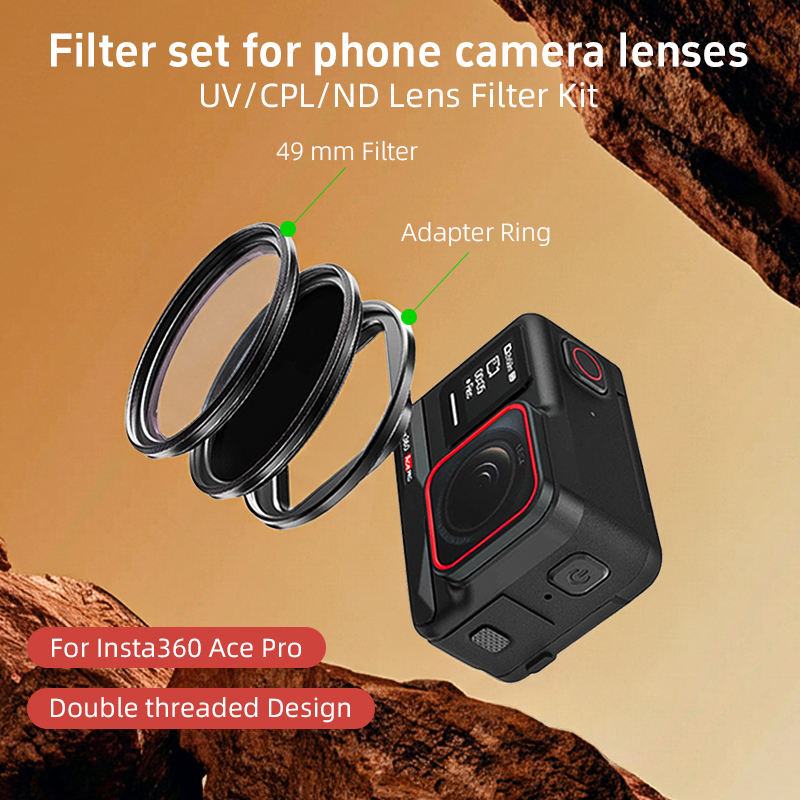
Selecting the right macro lens adapter is essential for photographers seeking to expand their optical capabilities without investing in entirely new equipment. A macro lens adapter transforms standard lenses into macro-capable tools, enabling close-up photography that reveals intricate details invisible to the naked eye. Whether you work in product photography, scientific documentation, or artistic macro work, understanding how to evaluate and choose the right lens adapter ensures your flexible lens setup delivers professional results.
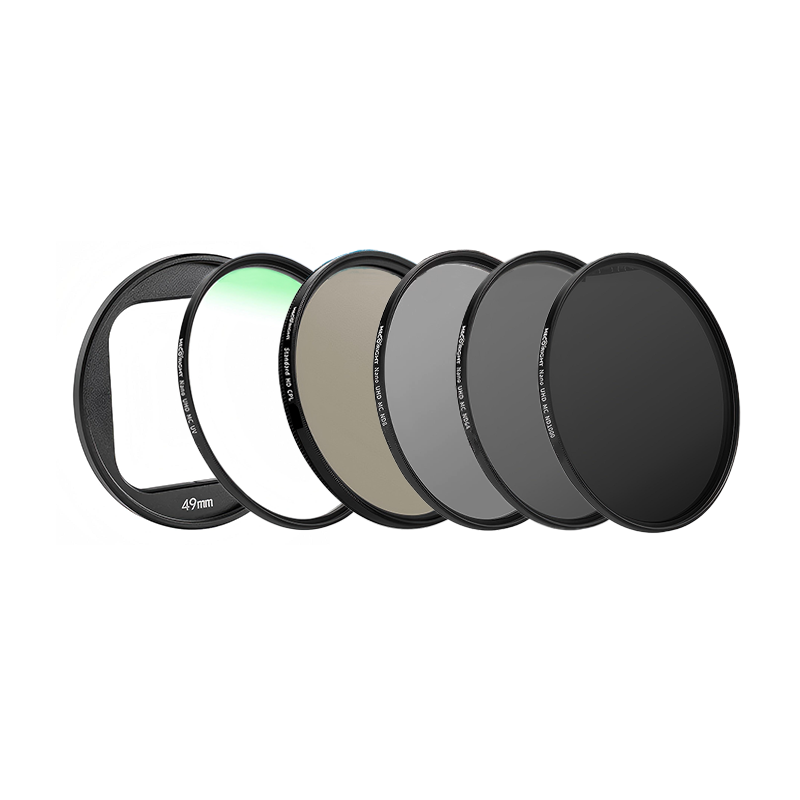
The market offers numerous lens adapter options, each designed to address specific photographic needs and camera systems. Before making a purchase decision, you must understand the fundamental compatibility requirements that govern lens mount standards, optical performance considerations, and the practical workflow implications of different lens converter designs. This guide walks you through the critical decision factors that separate a truly useful macro lens adapter from one that might disappoint in your actual shooting environment.
Understanding Lens Mount Compatibility Requirements
Identifying Your Camera System
Your camera body's lens mount is the foundation for every lens adapter selection. Canon EF, Nikon F, Sony E, and Fujifilm X represent the major lens mount standards, each incompatible with the others without specialized conversion equipment. A macro lens adapter must match your specific lens mount precisely, or additional lens mount conversion steps become necessary, complicating your workflow and potentially degrading image quality. Before shopping, confirm your camera's exact mount type by consulting your camera manual or manufacturer specifications.
Verifying Optical Element Preservation
Premium lens adapters incorporate optical glass elements that maintain or enhance image sharpness, while budget models rely solely on mechanical connections. The optical design of your macro lens adapter directly influences whether your camera lens accessory delivers the magnification detail you sought. A quality lens converter with properly coated optical elements prevents light loss and chromatic aberration that would otherwise compromise macro photography results. When evaluating options, request or research optical transmission specifications and independent resolution tests to confirm the lens adapter maintains adequate contrast and clarity.
Evaluating Magnification Ratios and Working Distance
Assessing Magnification Multiplication Factors
Different macro lens adapter designs offer varying magnification multipliers, typically ranging from 1.5x to 4x enhancement over the host lens's native capability. A 1.5x lens adapter provides moderate magnification with comfortable working distances, while higher multiplication factors like 3x or 4x demand greater subject proximity and more precise focus control. Your choice depends on your primary macro photography subject matter—insects and flowers typically benefit from moderate magnification, while coin and stamp documentation requires higher ratios. Understanding the magnification capacity of your selected lens converter ensures you can actually achieve the close-up detail levels your projects demand.
Managing Working Distance Constraints
Working distance—the physical gap between your lens front element and the subject—becomes critical in macro photography. A macro lens adapter that delivers extreme magnification often produces uncomfortably short working distances, making subject lighting and manipulation difficult or impossible. Conversely, a lens mount system that preserves greater working distance enables easier lighting setup, reduced subject intimidation in wildlife macro work, and simpler composition adjustments. Test or research the specific working distances your candidate lens adapters deliver at target magnifications, then validate those distances match your practical shooting conditions.
Assessing Build Quality and Compatibility Factors
Examining Mechanical Construction and Materials
A robust macro lens adapter requires precision-engineered mechanical tolerances and materials that withstand repeated mounting cycles without developing play or misalignment. Aluminum and brass components typically outlast plastic construction, while helicoid focusing mechanisms demand smooth rotation without grinding or excessive resistance. Your camera lens accessory undergoes constant extension and retraction during focus adjustments, making mechanical durability a long-term investment consideration. Review user reports specifically mentioning mechanical performance over extended use periods to identify lens adapters prone to focusing problems or mounting degradation.
Confirming Autofocus and Electronic Compatibility
Modern camera systems often transmit electronic signals between camera body and lens for autofocus operation, image stabilization, and aperture control. Some macro lens adapter designs interrupt these signal pathways, forcing manual focus operation that slows workflow considerably. Advanced lens converters preserve electronic communication, enabling autofocus functionality that dramatically improves macro shooting speed and composition flexibility. Before finalizing your purchase, confirm whether your candidate macro lens adapter maintains autofocus compatibility with your specific camera and lens combinations, as this single factor often determines whether the equipment becomes a regular tool or remains unused.
Practical Selection Workflow and Testing Strategy
Prioritizing Your Primary Use Cases
Identify your most frequent macro photography applications—whether product documentation, nature photography, jewelry work, or scientific imaging. Your primary use case guides prioritization of magnification range, working distance, autofocus capability, and build quality expectations. A macro lens adapter optimized for jewelry photography might sacrifice working distance for maximum magnification, while nature macro work demands longer working distances for subject access. Listing your top three use scenarios clarifies which lens adapter features matter most, preventing investment in unnecessary capabilities while ensuring essential functions remain intact.
Establishing Testing and Return Parameters
Reputable lens adapter suppliers offer return periods or trial arrangements that let you validate macro lens adapter performance with your actual camera and lens combinations. Photograph subjects representing your intended work—product samples, test targets, or real subjects from past projects—under your typical lighting conditions. Compare sharpness, magnification reality, working distance adequacy, and autofocus reliability against your expectations. This hands-on validation prevents expensive mistakes while confirming the lens converter truly delivers the flexible lens setup improvement you anticipated.
FAQ
Can a macro lens adapter work with all lens types?
A macro lens adapter works best with mid-range focal lengths between 50mm and 100mm, as these lenses produce the most useful magnification multiplication and sharpest macro results. Wide-angle lenses adapted for macro use often exhibit optical distortions, while longer telephoto lenses create exceptionally short working distances. Your specific lens adapter performance varies significantly based on the host lens characteristics, so confirm compatibility with your actual optical combination rather than assuming universal functionality.
How does a macro lens adapter differ from extension tubes?
A macro lens adapter incorporates optical elements that enhance magnification while preserving image quality, whereas extension tubes simply increase subject-to-sensor distance through mechanical spacers. Extension tubes cost less but require manual focus operation and reduce light transmission, while quality macro lens adapters maintain autofocus and optical performance. The choice between macro lens adapter versus extension tubes depends on your budget, autofocus requirements, and optical quality expectations for your camera lens accessory investment.
What budget range should I expect for quality macro lens converters?
A reliable macro lens adapter typically costs between one hundred and three hundred dollars, depending on optical design complexity and build quality. Premium lens mount systems with multi-element optical designs and precision helicoid focusing command higher prices but deliver superior magnification clarity and mechanical reliability. Budget macro lens adapters below one hundred dollars often compromise on optical coatings or mechanical tolerances, risking disappointing image quality or durability concerns that offset initial savings through eventual replacement costs.