
 EN
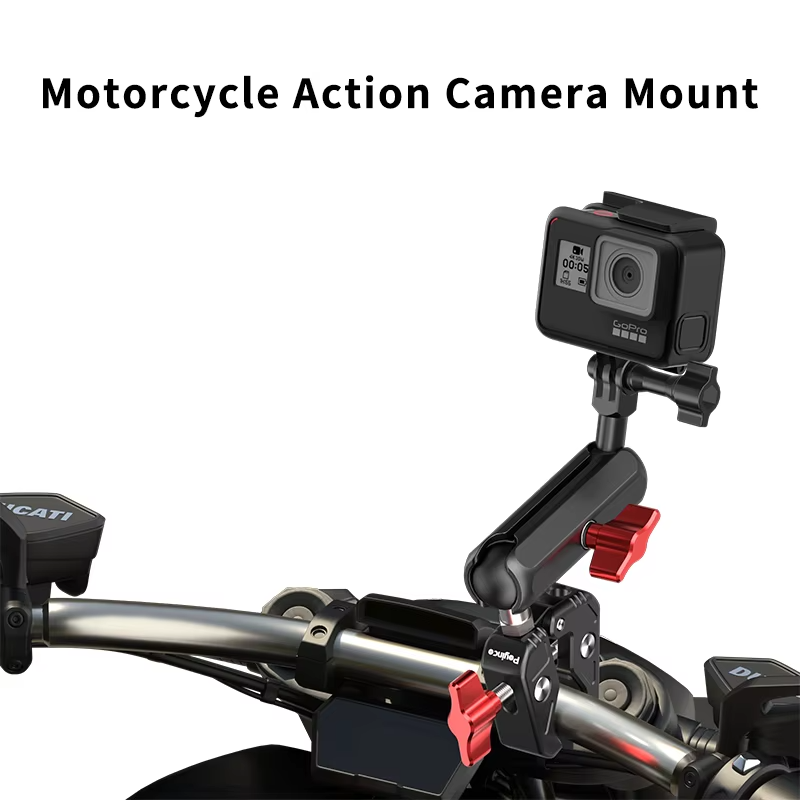
Selecting the right position for your motorcycle camera mount directly influences the quality and usability of your ride footage. The viewing angle you achieve depends on multiple interconnected factors, ranging from the type of mount hardware you choose to how you secure it against vibration. Understanding these variables helps you position your motorcycle camera mount for optimal frame composition, stability, and durability during extended riding sessions.
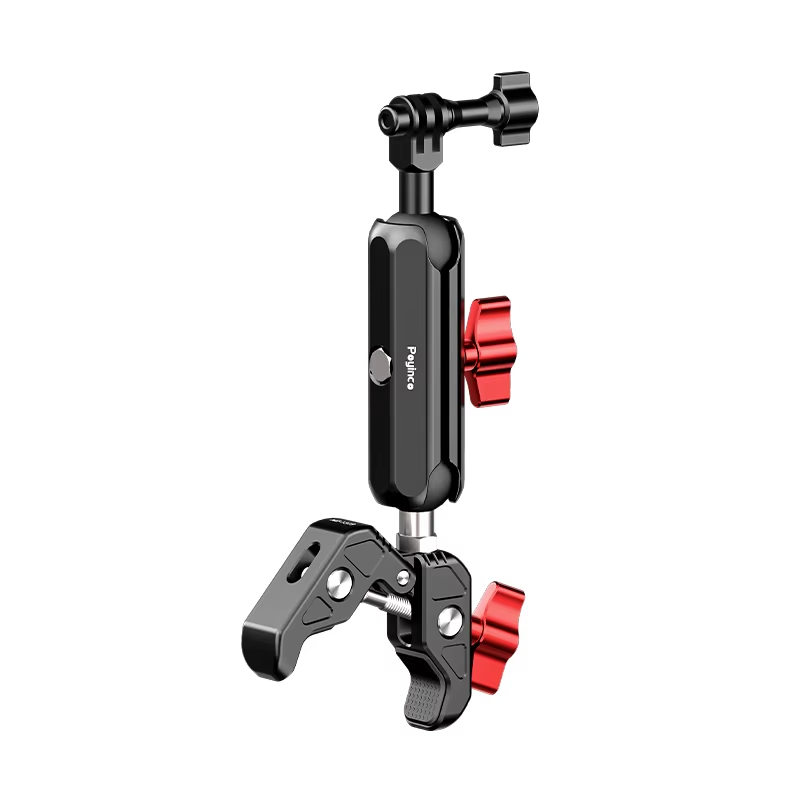
Every rider has different priorities when mounting a camera on their motorcycle. Some prioritize capturing road hazards ahead, while others want to record the speedometer, engine details, or riding technique from multiple angles. The configuration that works for one motorcycle setup may not suit another, which is why exploring the mechanical and structural factors affecting viewing angle proves essential before permanent installation.
Mount Type and Structural Capabilities
Handlebar Mount Design and Angle Range
A handlebar mount represents one of the most popular choices for motorcycle riders because it positions the camera at a naturally elevated viewpoint. The handlebar mount's structural design determines how far you can rotate and tilt the camera relative to your motorcycle's forward direction. Most handlebar mount systems allow rotational adjustment around a vertical axis, enabling you to pan the camera slightly left or right depending on your preference.
The pitch angle, which controls how much the camera looks up or down, also depends on your handlebar mount's mechanical range. Some handlebar mount brackets limit pitch to approximately fifteen degrees in either direction, while premium designs offer forty-five degrees or more. This mechanical constraint becomes critical when you want to capture your speedometer while maintaining road visibility, or when you need to shift the view toward your front tire for low-speed technical footage.
Ball Mount Flexibility and Positioning
A ball mount offers superior adjustment flexibility compared to fixed handlebar mounts because the ball joint allows movement in multiple axes simultaneously. This universal joint design means you can achieve nearly any viewing angle by rotating and tilting in combined motions rather than in isolated steps. The ball mount's spherical connection point permits fine-tuning that rigid handlebar mounts cannot match, making it ideal when you need to compose complex multi-angle shots or adapt to changing ride conditions.
The drawback of ball mount systems involves slightly greater play or looseness at high vibration levels. A properly tensioned ball mount maintains your chosen angle, but the inherent design allows more micro-movement than a fixed handlebar mount structure would permit. Balancing the angle-adjustment advantage against vibration control trade-offs is essential when deciding between mount types for your motorcycle camera mount setup.
Vibration Control and Angle Stability
Vibration Transmission and Angle Drift
Engine vibration, road surface texture, and suspension movement continuously transmit oscillations through your motorcycle frame to any mounted equipment. These vibrations directly affect how stable your camera angle remains throughout a ride. If your motorcycle camera mount lacks adequate vibration control, the persistent micro-movements can cause the camera to shift position gradually, altering your carefully planned viewing angle by the time you reach your destination.
Motorcycles operating at highway speeds experience sustained vibration frequencies that differ from low-speed maneuvers. Discovering how your specific mount responds to your motorcycle's vibration signature requires testing at actual riding speeds rather than relying on static positioning. Some riders discover that their preferred camera angle drifts noticeably after thirty minutes of freeway riding, prompting them to investigate vibration-damping solutions.
Damping Materials and Mount Rigidity
Elastomeric damping materials, rubber isolators, and spring-loaded tensioning mechanisms all contribute to reducing vibration transmission from your motorcycle frame to the camera itself. A motorcycle camera mount incorporating vibration control through rubber isolators or gel pads absorbs oscillations before they reach the lens, preserving your intended viewing angle more effectively than rigid metal mounts. These materials come with temperature and durability considerations, as they degrade over time under continuous vibration exposure.
The material composition of your handlebar mount or ball mount structure influences how much frame rigidity you achieve. Aluminum alloy mounts offer excellent strength-to-weight ratios while providing moderate vibration isolation compared to solid steel alternatives. The mounting point's tightness directly impacts angle stability, so ensuring your handlebar mount or ball mount fasteners remain secure throughout your ride prevents unwanted angle changes caused by mechanical loosening.
Camera Angle Optimization and Practical Positioning
Horizontal Viewing Angle and Road Coverage
The camera angle you select determines your horizontal field of view and what portion of the road and environment your footage captures. A forward-facing camera angle centered on the road ahead provides the most legally defensible documentation of traffic incidents and hazards. Rotating the camera angle slightly to capture your motorcycle's front tire adds contextual information about your speed and lean angle during cornering maneuvers.
Wide-angle lenses naturally expand your horizontal coverage, but extreme angles introduce barrel distortion that may not represent actual road conditions accurately. Your motorcycle camera mount's ability to fine-tune camera angle lets you balance wide field coverage against distortion minimization based on your lens characteristics and priorities.
Vertical Viewing Angle and Situational Awareness
Tilting your camera angle upward captures more sky and distant road features, useful for documenting weather conditions and identifying hazards appearing over hill crests. Angling the camera slightly downward includes more of your instrument panel and front tire while reducing sky presence in your footage. Most riders settle on a slight upward tilt of five to fifteen degrees because this positioning balances hazard documentation with contextual information about their motorcycle and riding position.
Testing different camera angle configurations during short rides before committing to permanent positioning prevents the frustration of discovering unsuitable angles after extended use. Many riders adjust their handlebar mount or ball mount positioning multiple times during the first few riding sessions, gradually refining their preferred viewing angle as they evaluate actual footage rather than guessing at installation.
FAQ
How does mount placement location affect the final camera angle?
Mount placement directly determines your camera's baseline position relative to the road and motorcycle. A low mount near the fork provides a view closer to the asphalt, while a high mount above the windscreen offers an elevated perspective. The handlebar mount or ball mount's attachment point becomes your reference position, and then your adjustments rotate and tilt relative to that baseline, so choosing the right handlebar mount location reduces the adjustment range needed.
Can vibration control improve how stable my camera angle stays during riding?
Yes, vibration control materials significantly reduce angle drift during extended riding. Products incorporating elastomeric isolators or spring dampening maintain your chosen camera angle more consistently than rigid-only designs. Testing your motorcycle camera mount setup at highway speeds reveals whether vibration is affecting your angle stability, and adding vibration control components or upgrading to a ball mount with better damping can solve persistent angle-drift problems.
What camera angle works best for documenting motorcycle incidents?
A slight upward camera angle of ten to twenty degrees, captured through a well-positioned handlebar mount or ball mount, documents road hazards most effectively for insurance and legal purposes. This positioning captures the road ahead clearly while including some motorcycle context, and it avoids excessive sky that wastes footage on irrelevant information. Your specific camera angle should emphasize the traffic and road conditions that matter most for incident documentation on your typical riding routes.