
 EN
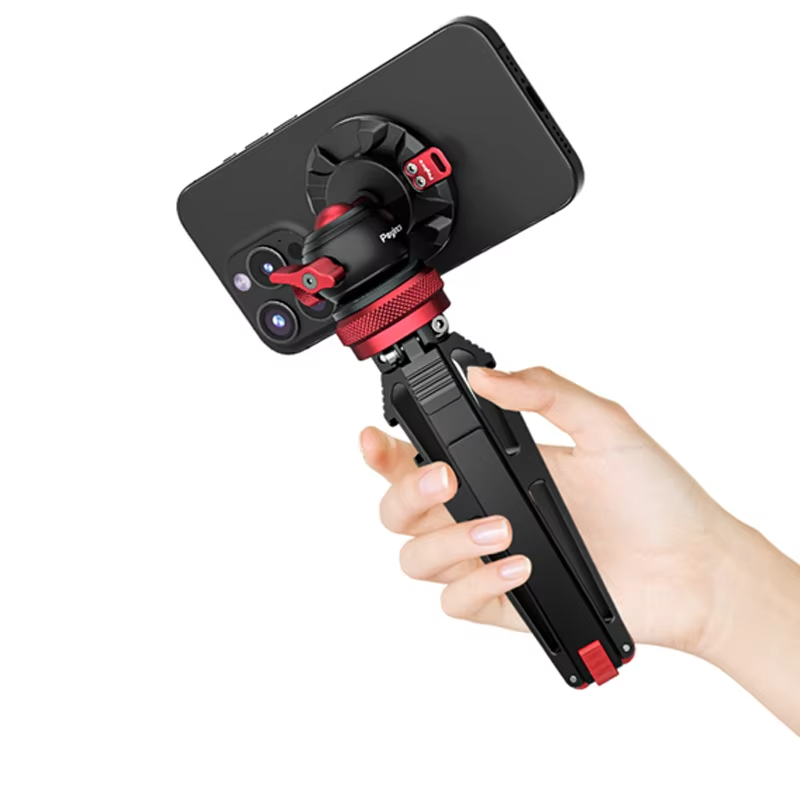
Creating professional video content on mobile devices demands more than just a capable smartphone. The quality of your mobile phone accessories directly influences production value, stability, and final output. Whether you're shooting product demonstrations, tutorials, or short-form social media content, substandard accessories introduce camera shake, thermal throttling, and poor audio capture that damage your credibility. This guide walks you through essential quality inspection protocols for the accessories that support your smartphone filming equipment.
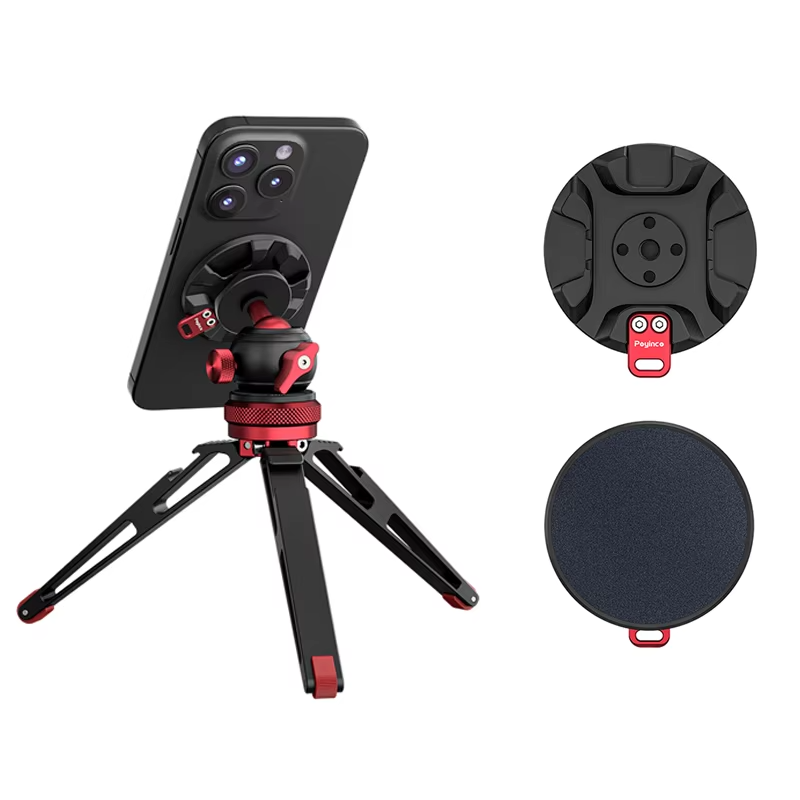
Professional content creators understand that a single weak link in their mobile phone accessories setup compromises entire production workflows. Quality inspection isn't merely a purchasing step—it's an ongoing validation process that protects your investment and maintains consistent output quality. By implementing structured assessment methods, you eliminate variables that degrade video clarity, stability, and performance during critical filming sessions.
Understanding Quality Standards for Content-Creation Hardware
Core Criteria for Mobile Phone Accessories Evaluation
Quality inspection of mobile phone accessories begins with identifying the specific functional role each component plays in your smartphone filming setup. A phone mount must deliver rock-solid stability without vibration transmission, while a phone cage protects your device while allowing unobstructed sensor access. Each accessory type carries distinct performance metrics that separate professional-grade equipment from consumer-level alternatives. Thermal stability, material durability, build precision, and compatibility range form the foundation of quality assessment across all smartphone filming accessories.
The materials used in mobile phone accessories directly determine longevity and performance reliability. Aluminum alloy construction offers superior rigidity compared to plastic, reducing flex and vibration during handheld or mounted operation. Quality inspection must verify that fastening mechanisms use robust materials—stainless steel springs and precision-machined threads prevent loosening during extended filming sessions. Padding materials should demonstrate durability without degrading or transferring marks to your device surface.
Performance Testing for Stability and Load Capacity
Smartphone filming introduces dynamic stress on phone mounts and cages that static testing doesn't fully reveal. Quality inspection requires checking load capacity margins—a phone mount rated for your device weight should handle it with mechanical reserve, not at theoretical maximum. Apply gentle lateral pressure to identify wobble or flex in the mounting mechanism. For phone cage designs, verify that all pressure points contact your device uniformly, distributing clamping force without creating stress concentrations that risk damage.
Thermal management represents a critical performance dimension often overlooked during quality inspection. Modern smartphones generate significant heat during intensive filming tasks, and poor airflow around your device accelerates thermal throttling. Evaluate phone cage and mount designs to ensure they don't block heat dissipation paths or trap warm air against the device body. A quality phone cage maintains minimal contact with device surfaces, prioritizing ventilation channels over full coverage.
Systematic Quality Inspection Process
Pre-Purchase Assessment and Compatibility Verification
Quality inspection begins before purchase by establishing clear compatibility parameters with your specific smartphone model and shooting requirements. Phone mount and phone cage products should explicitly state supported device sizes, weight ranges, and clamp mechanism types. For smartphone filming purposes, verify that the accessory accommodates protective cases—many quality-control oversights occur when accessories fit bare devices but conflict with even thin protective cases. Request product dimensions and compare against your device plus case setup to prevent costly incompatibility discoveries after purchase.
Material composition verification forms another essential quality inspection step. Request detailed specifications identifying whether metals are aluminum alloy, stainless steel, or lower-grade alternatives prone to corrosion. For phone cage designs, assess whether internal padding is rubber, neoprene, or synthetic foam—each material degrades differently over time. Quality-conscious manufacturers provide this specification openly; vague material descriptions often signal cost-cutting corners that compromise long-term durability.
Functional Testing and Durability Assessment
Once acquired, quality inspection continues through hands-on functional testing in conditions mirroring your actual smartphone filming environment. Mount your device and perform the movements you'll use during production—panning, tilting, handheld movement simulation. A quality phone mount remains absolutely stable during these motions, transmitting zero vibration to your footage. For phone cage configurations, cycle the clamping mechanism multiple times, listening and feeling for grinding, clicking, or excessive friction that indicates manufacturing defects or misaligned components.
Thermal testing validates whether your mobile phone accessories adequately support extended shooting sessions. Record a demanding video or gaming sequence that generates moderate device heat, then place your phone in the mount or cage for twenty minutes of continuous operation. Quality inspection at this stage involves checking whether the accessory's design permits adequate heat dissipation or creates thermal pockets. Feel the temperature at various points around your device to identify hot spots indicating poor ventilation design.
Sustained Quality Maintenance
Preventive Care and Periodic Inspection Schedules
Quality inspection doesn't conclude after initial assessment—professional smartphone filming demands ongoing preventive maintenance. Establish a monthly inspection routine checking all mechanical components for loosening, corrosion, or visible damage. For phone cage equipment, inspect padding materials for compression, flattening, or material degradation that reduces shock absorption. Apply light machine oil or silicone spray to metal joints that show signs of oxidation, restoring smooth operation and extending functional lifespan.
Storage conditions significantly impact long-term quality integrity of your mobile phone accessories. Keep phone mount and phone cage equipment in dry environments protected from humidity and temperature extremes that accelerate material degradation. Store clamping mechanisms in slightly open positions to prevent spring fatigue from sustained compression. Quality inspection extends to your storage setup—dusty or damp storage gradually compromises the very accessories you've carefully validated and maintained.
Documentation and Performance Tracking
Systematic documentation transforms quality inspection from occasional checks into continuous improvement practice. Photograph or note the condition of critical components—clamping surfaces, joints, alignment marks—creating baseline documentation for future comparison. Track any performance changes over months of smartphone filming usage, noting whether stability decreases or thermal behavior shifts. This record informs replacement decisions and guides purchasing of future mobile phone accessories based on proven performance data rather than specifications alone.
FAQ
What makes a phone cage superior to basic phone mounts for smartphone filming?
Quality phone cage designs distribute clamping force across multiple contact points, providing stability during dynamic filming while preserving device safety. Unlike basic phone mounts that concentrate pressure on edges, a quality phone cage ensures even pressure distribution, reduces vibration transmission, and integrates accessory mounting rails for camera lenses, microphones, and lighting—creating a complete content-creation ecosystem that smartphone filming demands.
How should quality inspection verify that a phone mount won't damage my device?
Examine the interior clamping surfaces of any phone mount or cage—quality inspection looks for soft rubber or neoprene padding without exposed metal contact points. Apply your device to the mount and listen for any grinding or scraping sounds indicating misalignment. Carefully remove your device and inspect for marks or pressure points on the case. A quality phone mount leaves absolutely no visible impressions after normal use, proving that clamping force remains within safe parameters for extended smartphone filming sessions.
Why does thermal performance matter during quality inspection of smartphone filming accessories?
Smartphones automatically reduce processing power when internal temperatures exceed safe thresholds—a protective mechanism called thermal throttling that directly degrades video quality during smartphone filming. Quality inspection of phone cages and mounts must verify adequate ventilation design that permits heat dissipation around the device body. Poor airflow in substandard phone cage designs traps heat, triggering throttling that causes frame drops, reduced resolution, and compromised footage quality regardless of your camera capabilities.