




Time:2026-01-07 Views:1
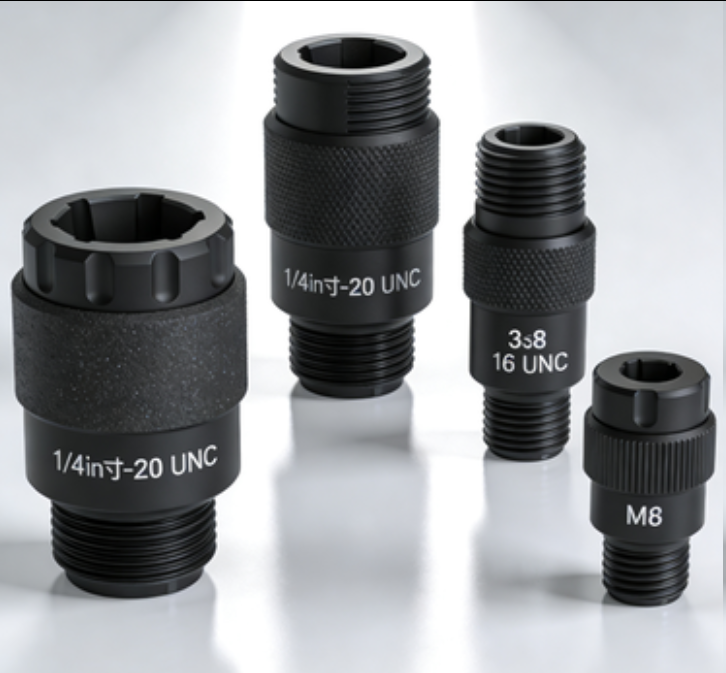
The thread types of tripod adapters play a crucial role in ensuring a secure and stable connection between the tripod and various devices, such as cameras, camcorders, and accessories. Different thread types are designed to meet specific compatibility requirements and offer varying levels of strength and ease of use. Understanding these thread types is essential for photographers, videographers, and anyone using tripods to make informed decisions about their equipment setup.
One of the most common thread types used in tripod adapters is the 1/4 - 20 UNC (Unified National Coarse) thread. This thread type is widely recognized and used in the photography industry, especially for attaching small to medium - sized cameras, lenses, and lightweight accessories to tripods. The “1/4” refers to the diameter of the thread in inches, while “20” indicates the number of threads per inch. The 1/4 - 20 UNC thread provides a reliable and standard connection, allowing for easy attachment and removal of devices. Its popularity stems from its compatibility with a vast range of consumer - level cameras, including most DSLRs, mirrorless cameras, and compact cameras. Many tripods come with a 1/4 - 20 thread mount on their quick - release plates or heads, enabling users to quickly and securely attach their cameras.
For larger and heavier equipment, such as professional video cameras and studio lights, the 3/8 - 16 UNC thread is often preferred. The larger diameter and coarser pitch of the 3/8 - 16 thread compared to the 1/4 - 20 thread provide greater strength and stability, capable of supporting the weight of heavy - duty devices without the risk of the connection coming loose. Professional tripods and monopods typically feature 3/8 - 16 thread sockets on their tops, along with an adapter that can be switched to a 1/4 - 20 thread for compatibility with smaller devices. This dual - compatibility design offers versatility, allowing users to use the same tripod for different types of equipment.
In addition to the standard UNC threads, there are also metric thread types used in some tripod adapters, especially those manufactured in certain regions or for specific industrial applications. For example, M6 and M8 metric threads are sometimes found in tripod adapters. The M6 thread, with a diameter of 6 millimeters, is similar in size and function to the 1/4 - 20 thread, while the M8 thread, with an 8 - millimeter diameter, is comparable to the 3/8 - 16 thread. Metric threads are often used in European - made tripods and accessories, and they follow the International Organization for Standardization (ISO) standards. When choosing a tripod adapter, it is important to ensure that the thread type matches the mounting requirements of the device being attached to avoid any compatibility issues.
Furthermore, some tripod adapters may feature specialized or proprietary thread types. These are often used by specific manufacturers to provide unique features or enhanced security. For instance, certain high - end tripods may have a thread design that incorporates additional locking mechanisms or anti - rotation features to prevent the attached device from twisting or loosening during use. While these proprietary thread types offer added benefits, they also limit compatibility to devices and accessories made by the same manufacturer or those that are specifically designed to work with them. Overall, the choice of thread type for a tripod adapter depends on the weight and size of the device being attached, as well as the user's specific needs and the compatibility requirements of their equipment.Read recommendations:
© 2024 Jiani Digital Technology Co., Ltd. All rights reserved Powered by Nbone


 Home >


