




Time:2026-01-08 Views:1
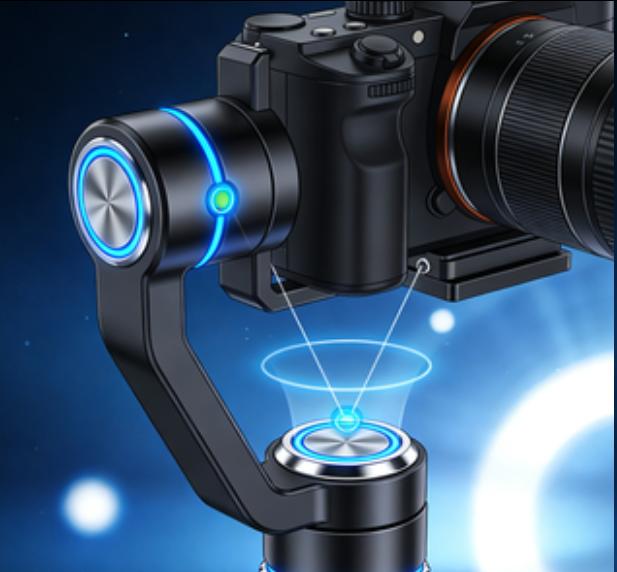
The locking design for camera mounts is a critical feature that ensures the camera remains firmly in place, preventing accidental movement or displacement during photography and videography. This design is essential for maintaining the stability of the camera, especially when capturing long - exposure shots, time - lapse sequences, or in situations where precise positioning is required.
One common type of locking mechanism in camera mounts is the screw - based lock. This typically involves a locking screw or knob that, when tightened, applies pressure to secure the moving parts of the mount. For example, in a pan - tilt head, a locking screw can be used to fix the horizontal and vertical angles of the camera. By simply turning the screw, users can lock the camera in a specific position, ensuring that it does not shift during shooting. Screw - based locks are known for their reliability and the high level of tension they can provide, making them suitable for heavy - duty camera setups. However, they may require the use of tools for adjustment in some cases, which can be a minor inconvenience in fast - paced shooting environments.
Another popular locking design is the lever - based lock. Lever locks offer quick and easy operation, allowing users to lock and unlock the camera mount with a simple flip of a lever. These are commonly found in tripod legs, where the lever can be used to extend or retract the legs and then lock them in place. The advantage of lever - based locks is their speed and convenience, enabling photographers and videographers to make rapid adjustments to the height and position of the camera. They are particularly useful in situations where time is of the essence, such as event photography or when trying to capture fleeting moments.
Some advanced camera mounts may feature combination locking systems that integrate multiple locking mechanisms. For instance, a mount might have both a screw - based lock for fine - tuning and a lever - based lock for quick adjustments. This combination provides the best of both worlds, offering both precision and speed. Additionally, locking designs often incorporate safety features to prevent accidental unlocking. For example, some levers may require a specific action, such as pressing a button while flipping the lever, to unlock, reducing the risk of the mount coming loose unintentionally. The locking design of camera mounts is a fundamental aspect that safeguards the stability and integrity of the camera setup, allowing users to focus on capturing high - quality content without worrying about the camera's position shifting.
Read recommendations:
© 2024 Jiani Digital Technology Co., Ltd. All rights reserved Powered by Nbone


 Home >


