




Time:2026-03-02 Views:1
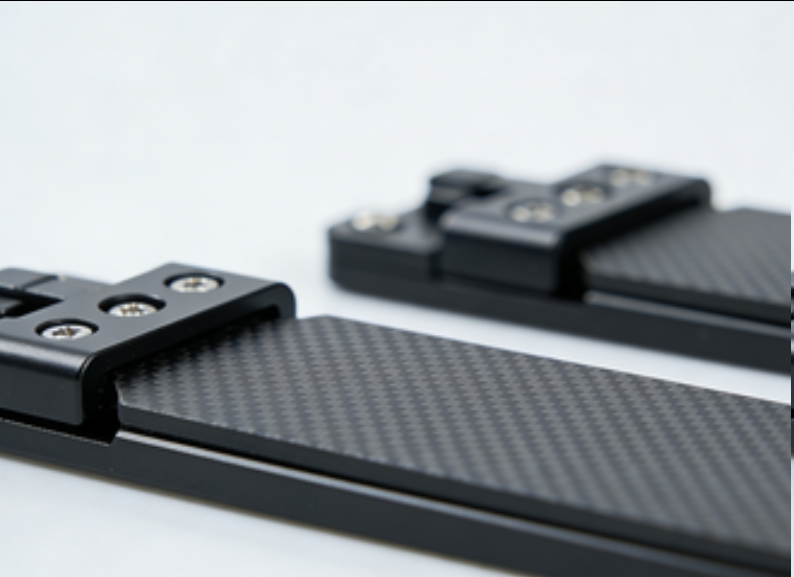
High-quality quick-release boards are specialized structural components designed for rapid assembly, disassembly, and reconfiguration in industries such as manufacturing, construction, automotive, aerospace, and furniture. Unlike standard fixed boards, these products prioritize durability, precision, and user-friendly operation, enabling seamless part replacement, maintenance, or layout adjustments without complex tools or extensive downtime. The “high-quality” designation is defined by strict adherence to material standards, mechanical performance metrics, and manufacturing tolerances—all of which ensure the boards can withstand repeated use, heavy loads, and harsh environmental conditions while maintaining reliability.
A key pillar of high-quality quick-release boards is premium material selection, which directly impacts strength, longevity, and functionality. Manufacturers typically use high-grade metals (such as aluminum alloy 6061-T6, stainless steel 304, or carbon steel Q235), composite materials (like fiberglass-reinforced plastic (FRP) or carbon fiber), or engineering plastics (e.g., nylon 66 or polycarbonate) based on application needs. For example, aluminum alloy 6061-T6 is favored for lightweight yet high-strength applications (e.g., automotive interior panels or aerospace tooling boards) due to its tensile strength of 310 MPa and excellent corrosion resistance. Stainless steel 304 is ideal for outdoor or high-moisture environments (such as construction site scaffolding boards) because of its resistance to rust and chemical exposure. Composites like carbon fiber are selected for ultra-lightweight, high-stiffness requirements (e.g., drone frames or racing car components), offering a strength-to-weight ratio 5 times higher than steel. These materials undergo rigorous testing—including tensile strength, impact resistance, and fatigue life assessments—to ensure they meet industry standards (such as ISO 9001 or ASTM D638 for plastics) before being used in production.
Precision manufacturing is another critical aspect of high-quality quick-release boards. Advanced processes like CNC machining, laser cutting, and injection molding are employed to achieve tight dimensional tolerances (typically ±0.1 mm for metal components and ±0.2 mm for plastics), ensuring that the quick-release mechanisms (e.g., latches, pins, or clips) align perfectly during assembly. For instance, CNC-machined aluminum quick-release boards for industrial workbenches feature precisely milled slots and holes that allow latches to engage smoothly, eliminating jamming or misalignment issues. Laser cutting is used for composite boards to create intricate patterns (such as ventilation holes or weight-reducing cutouts) without compromising structural integrity, while injection molding ensures consistent production of plastic quick-release components (like locking tabs) with uniform thickness and strength. Additionally, high-quality boards undergo post-processing treatments—such as anodizing (for aluminum), powder coating (for steel), or UV stabilization (for plastics)—to enhance durability, aesthetics, and resistance to wear, scratches, or fading.
Mechanical performance and safety are non-negotiable for high-quality quick-release boards. These products must support specific load capacities (ranging from 50 kg for small furniture boards to 500 kg+ for industrial machinery panels) without deformation or failure. Manufacturers conduct static load testing (applying constant weight for extended periods) and dynamic load testing (simulating real-world use, such as vibration or impact) to verify performance. For example, a high-quality quick-release board used in a factory’s assembly line may undergo 10,000+ opening and closing cycles under a 200 kg load to ensure the quick-release mechanism remains functional. Safety features are also integrated: many boards include locking mechanisms (like spring-loaded pins or twist latches) that prevent accidental disassembly, while others have anti-slip surfaces or edge guards to reduce injury risks. Compliance with safety standards—such as OSHA guidelines for construction boards or EN 131 for scaffolding components—further validates their quality, ensuring they can be used safely in regulated industries.
Whether it’s supporting heavy machinery in a factory, enabling rapid furniture reconfiguration in offices, or facilitating maintenance in aerospace applications, high-quality quick-release boards deliver the durability, precision, and safety needed to optimize efficiency and reduce operational costs. As industries increasingly prioritize flexibility and sustainability, the demand for these high-performance components continues to grow.
Read recommendations:
© 2024 Jiani Digital Technology Co., Ltd. All rights reserved Powered by Nbone


 Home >


