




Time:2026-04-03 Views:107
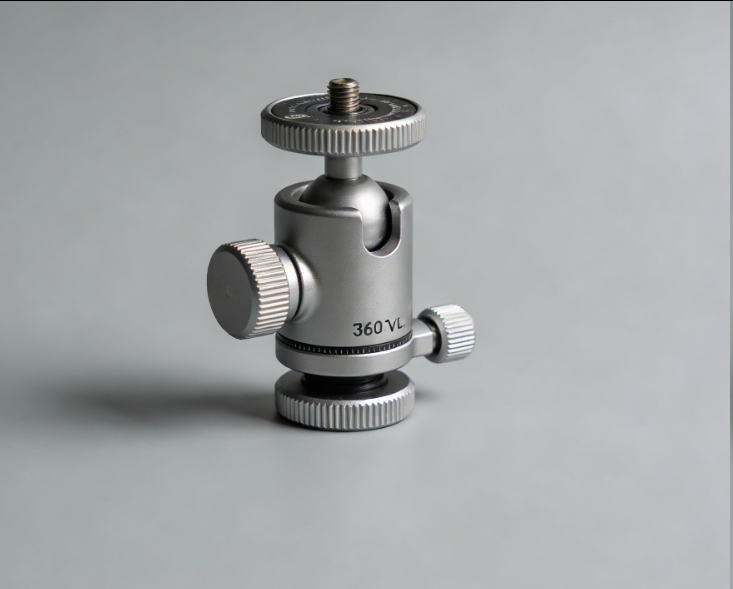
A gimbal tripod adapter is a specialized accessory designed to bridge the gap between gimbals and tripods, enabling videographers and photographers to seamlessly mount their gimbal onto a tripod for stable, hands-free shooting. This adapter solves a common challenge for content creators who use gimbals for smooth handheld footage but need the stability of a tripod for static shots, time-lapses, or long-exposure photography. By connecting the gimbal to a tripod, users can eliminate hand fatigue during extended shoots, ensure precise framing for static scenes, and transition effortlessly between handheld and tripod-mounted setups—all without disassembling their gear or disrupting their workflow.
Crafted for durability and compatibility, gimbal tripod adapters are typically made from high-strength aluminum alloy, which balances lightweight portability with robust support. The adapter features standard 1/4-inch and 3/8-inch threads, the industry-standard connections for both gimbals and tripods, ensuring compatibility with most popular gimbal models (such as DJI Ronin, Zhiyun Crane, and Moza Air) and tripod brands (including Manfrotto, Gitzo, and Benro). Many adapters also include a secure locking mechanism, such as a twist-lock or lever, that creates a tight, wobble-free connection between the gimbal and tripod, preventing any movement that could compromise footage quality.
In addition to its core functionality, a gimbal tripod adapter offers several user-friendly features that enhance its versatility. Some models include a 360-degree rotating base, allowing users to adjust the gimbal’s orientation without moving the entire tripod—ideal for panning shots or adjusting framing quickly. Others feature anti-slip rubber padding on the mounting surfaces, which protects both the gimbal and tripod from scratches while providing an extra layer of stability. Whether you’re shooting a wedding ceremony, a documentary interview, or a product video, this adapter simplifies your setup, extends your shooting capabilities, and ensures that your footage remains smooth and professional, whether you’re using the gimbal handheld or mounted on a tripod.
Read recommendations:
© 2024 Jiani Digital Technology Co., Ltd. All rights reserved Powered by Nbone


 Home >


