




Time:2025-12-20 Views:1
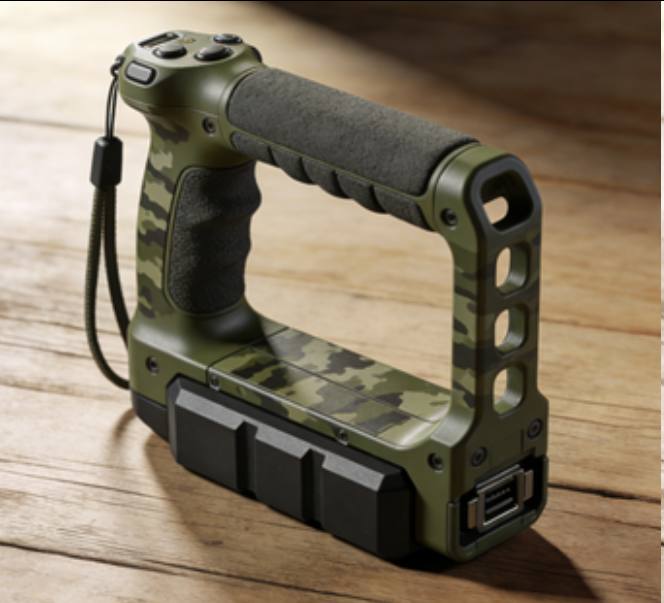
Camera handle anti-fatigue is a specialized design focus that optimizes camera handle ergonomics, weight distribution, and material selection to reduce muscle strain and discomfort during long-duration shooting sessions—critical for professional photographers, videographers, and content creators who use cameras (DSLRs, mirrorless, action cameras) for hours at a time (e.g., wedding shoots, documentary filming, event coverage). Unlike basic camera handles (which prioritize basic grip functionality), anti-fatigue handles address the root causes of fatigue: awkward hand positioning, excessive pressure on palm/wrist muscles, and unbalanced weight that forces muscles to overcompensate. The core goal is to enable extended shooting without discomfort, reducing the risk of repetitive strain injuries (RSIs) like carpal tunnel syndrome and ensuring consistent performance throughout a shoot.
Key design elements of camera handle anti-fatigue include:
Ergonomic Contour Matching Hand Anatomy: Anti-fatigue handles are shaped to fit the natural curve of the human palm and fingers, eliminating sharp edges or flat surfaces that create pressure points. For example, DSLR/mirrorless camera grips feature a “palm swell” (a raised, rounded section) that supports the heel of the palm—distributing weight across a larger surface area instead of concentrating it on small pressure points. Finger grooves (shallow, rounded indentations) for the index and middle fingers guide natural hand placement, reducing the need for conscious muscle tension to maintain grip. The handle’s length and width are calibrated to fit average hand sizes (men’s/women’s) — typically 10cm-15cm long and 3cm-5cm wide at the widest point—ensuring a secure yet relaxed grip. For action cameras (e.g., GoPro), anti-fatigue handles use a cylindrical shape with textured patterns that allow comfortable grip from multiple angles (e.g., holding the camera low for ground shots).
Weight Distribution and Balance Optimization: Unbalanced camera weight (e.g., a heavy lens on the front of a DSLR) forces the hand and arm muscles to work harder to stabilize the camera, accelerating fatigue. Anti-fatigue handles integrate weight-balancing features:
Offset Grip Position: The handle is positioned slightly forward or downward relative to the camera’s center of gravity, shifting weight toward the palm’s natural support points instead of pulling the camera downward. For example, mirrorless camera handles with a “forward-set grip” align the handle’s center with the lens mount, balancing the weight of heavy telephoto lenses (70-200mm f/2.8) that would otherwise tilt the camera forward.
Integrated Counterweights: Some professional handles (e.g., for cinema cameras) include small, removable weights (50g-200g) that attach to the handle’s base or side, adjusting the camera’s overall balance to match the user’s hand strength and shooting style. This reduces the need for arm muscles to compensate for front-heavy or back-heavy camera setups.
Soft, Cushioned Material Selection: The handle’s surface material plays a critical role in reducing fatigue—hard plastics or metals can cause discomfort over time, while overly soft materials may lose shape or grip. Anti-fatigue handles use:
Memory Foam or Gel Padding: A thin layer (3mm-5mm) of high-density memory foam or gel under a durable outer layer (rubber, silicone) conforms to the palm’s shape, absorbing pressure and reducing vibration transfer from the camera. For example, wedding photographers using flash units (which add vibration when fired) benefit from gel padding that dampens subtle vibrations, preventing numbness in the palm.
Textured, Non-Slip Rubber: The outer layer features a fine, non-abrasive texture (e.g., diamond pattern, ribbed lines) that provides secure grip without requiring excessive finger pressure. This is especially important for outdoor shoots where hands may be sweaty or wet—reducing the need to squeeze the handle tightly to maintain control.
Reduced Muscle Activation Requirements: Anti-fatigue handles minimize the number of muscles needed to hold and operate the camera. For example, handles with integrated shutter buttons or control dials (e.g., Sony’s mirrorless camera grips) allow users to adjust settings (ISO, aperture) without repositioning their hand—eliminating the small, repetitive muscle movements that contribute to fatigue. Some handles also include a “resting ledge” for the pinky finger, which often hangs unsupported on basic handles, causing strain over time.
Testing and validation are critical: anti-fatigue handles undergo user testing with photographers of varying hand sizes and shooting styles, measuring muscle activity (via electromyography, EMG) to ensure key muscles (e.g., flexor carpi radialis in the wrist) remain in a relaxed state. By combining ergonomic shaping, balanced weight distribution, and comfortable materials, camera handle anti-fatigue enables extended, pain-free shooting—essential for capturing high-quality content in demanding professional environments.
Read recommendations:
Upgrade Camera Cooling Fan for Sony/Canon/FUJIFILM/Nikon DSLR Cameras Video Shooting Accessories
© 2024 Jiani Digital Technology Co., Ltd. All rights reserved Powered by Nbone


 Home >


