




Time:2025-12-10 Views:1
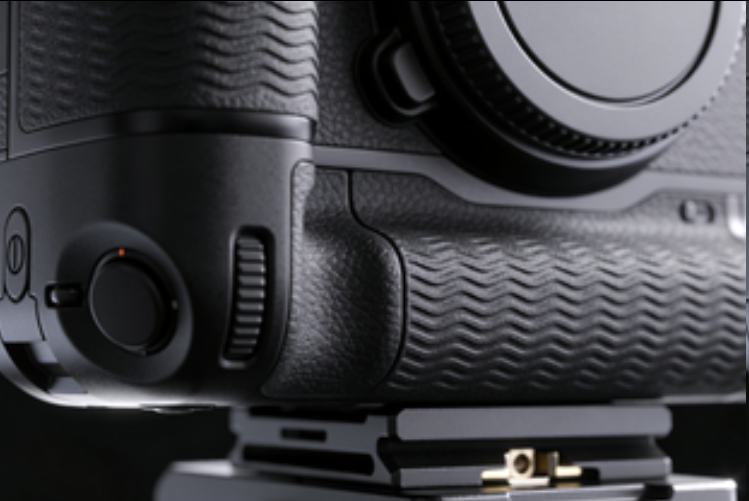
Camera grips with good elasticity prioritize flexible, adaptive contact with the user’s hand and stable attachment to the camera body, balancing comfort during long shooting sessions and reliable grip retention. Elasticity in camera grips is not about excessive stretch but controlled flexibility—enabling the grip to conform to hand contours while maintaining structural integrity, a critical feature for photographers who shoot for hours (e.g., wildlife photographers tracking subjects or event photographers covering weddings).
The core of a grip’s elasticity lies in material selection and structural design. High-quality elastic grips typically use a combination of base materials and surface coatings: the inner core often consists of rigid yet slightly flexible ABS plastic or polycarbonate to ensure the grip maintains its shape and attaches securely to the camera. The outer layer, however, is made of elastic materials like thermoplastic elastomer (TPE) or silicone rubber with a Shore hardness of 40–60A—this range strikes the perfect balance: soft enough to compress slightly under hand pressure (conforming to finger grooves and palm curves) but firm enough to avoid deformation over time. For example, the Canon BG-E22 battery grip uses a TPE outer layer with 50A hardness, which provides a “give” of 0.3–0.5mm when squeezed, reducing hand fatigue during extended use.
Elasticity also plays a role in shock absorption and slip resistance. The flexible outer layer acts as a buffer, dampening minor vibrations from camera shutter release or lens adjustments—critical for macro photography, where even small shakes can blur shots. Additionally, the elastic material’s texture (often featuring micro-grooves or dotted patterns) enhances friction between the hand and grip, preventing slippage even when hands are sweaty (a common issue for outdoor photographers in humid conditions). Unlike rigid plastic grips that feel “unforgiving” after hours of use, elastic grips distribute pressure evenly across the palm, reducing hotspots and discomfort.
Practical testing of elasticity involves two key metrics: compression recovery and long-term durability. A high-quality elastic grip should return to its original shape within 1–2 seconds after being squeezed (measured using force gauges), indicating no permanent deformation. Durability tests involve 10,000+ cycles of simulated hand pressure—top grips like the Nikon MB-N11 maintain their elasticity with less than 5% loss in flexibility after testing. For users, this means the grip remains comfortable and functional even after years of heavy use, making it an essential feature for professional and enthusiast photographers alike.
Read recommendations:
© 2024 Jiani Digital Technology Co., Ltd. All rights reserved Powered by Nbone


 Home >


